
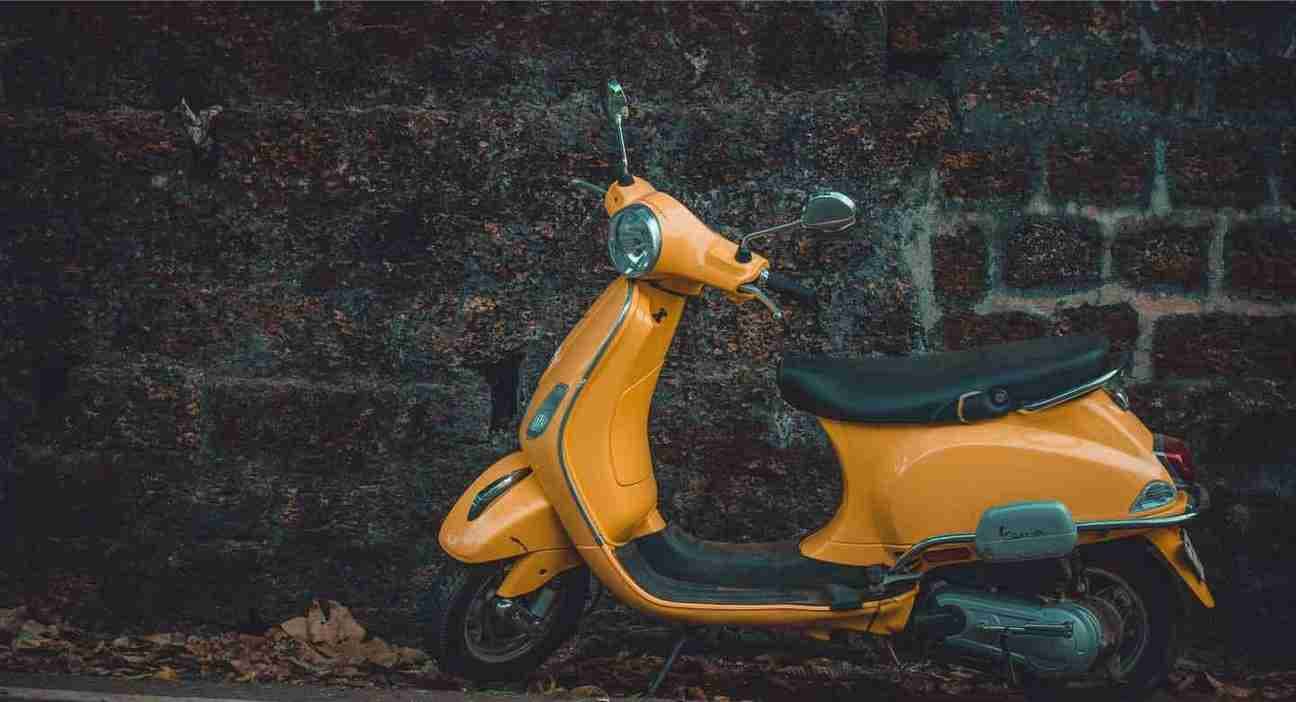
Two-wheeler insurance in India primarily comes in two forms: comprehensive and third-party insurance. Comprehensive insurance covers both third-party liabilities and damages to your own bike, while third-party insurance covers only liabilities towards others. This guide explains the differences, premium calculation factors, regulatory requirements, and practical considerations to help you make an informed choice suited to your needs and budget.
What Is Two-Wheeler Insurance?
Two-wheeler insurance is a contract between the policyholder and the insurer that provides financial protection against losses arising from accidents, theft, or third-party liabilities related to your bike. It is mandatory to have at least third-party insurance as per the Motor Vehicles Act, 1988. The insurance policy covers risks depending on the type of plan chosen. At Zurich Kotak General Insurance Company (India) Limited, we ensure comprehensive coverage options tailored to your two-wheeler needs.
Comprehensive vs. Third-Party Bike Insurance: Key Differences
To help you decide which policy suits your needs, it is essential to understand how these two primary levels of cover compare in terms of protection and cost:
Feature | Coverage Comparison |
Coverage Scope | Comprehensive: Covers own damage, theft, fire, natural calamities, and third-party liabilities. | Third-Party: Covers only legal liabilities for bodily injury or property damage caused to others. |
Premium Cost | Comprehensive: Higher, based on IDV, add-ons, and engine capacity. | Third-Party: Lower and affordable, with fixed tariffs by engine capacity. |
Legal Requirement | Comprehensive: Optional but highly recommended. | Third-Party: Compulsory by law under Motor Vehicles Act. |
Add-On Covers | Comprehensive: Zero depreciation, roadside assistance, engine protector, consumables cover available. | Third-Party: Generally not available. |
Claim Settlement | Comprehensive: Claim for both own vehicle repairs and third-party losses. | Third-Party: Only settle third-party claims against you. |
Ideal For | Comprehensive: New, expensive motorcycles and frequent riders. | Third-Party: Older, low-value bikes or budget-conscious riders. |
By weighing these differences, you can select the level of insurance that provides the right balance between comprehensive security and financial practicality.
How Is Your Two-Wheeler Insurance Premium Calculated?
Understanding premium calculation helps you evaluate the cost-benefit of each insurance type. The premium is the amount you pay to the insurer for coverage, influenced by multiple factors:
Insured Declared Value (IDV): The maximum claim amount for own damage or theft, representing the current market value of your bike. It is calculated based on the manufacturer's listed selling price minus depreciation as per IRDAI guidelines. As the bike ages, the IDV decreases, which in turn lowers the premium.
Third-Party Liability Premium: A fixed tariff set by IRDAI based on engine capacity (cc) and vehicle category. This is mandatory and uniform across all insurers, ensuring fairness in premium determination.
Vehicle Age: Older bikes attract lower own-damage premiums due to reduced IDV but may have limited coverage options available.
No Claim Bonus (NCB): A significant discount on the own-damage portion of the premium for every claim-free year, potentially reaching up to 50%. This encourages safe riding practices.
Add-On Covers : Optional covers such as zero depreciation, roadside assistance, engine protector, and consumable cover increase the premium but offer significantly enhanced financial security.
Geographical Location: Urban areas or regions with higher statistics for theft or accidents often attract higher premiums compared to rural zones.
Engine Capacity: Higher cc or premium models attract higher premiums due to increased risk and repair costs.
Goods and Services Tax (GST): A standard 18% GST is applicable on the total premium amount as per government regulations.
Popular Add-On Covers Explained
Add-ons are generally available only with comprehensive policies. While they increase the initial premium, they substantially reduce out-of-pocket expenses during a claim:
Zero Depreciation Cover : Ensures the insurer pays the full cost of replaced parts without deducting for age-related wear and tear, maximising your claim value.
Roadside Assistance: Provides emergency support for mechanical breakdowns, punctures, or towing to the nearest garage, ensuring help when you need it most.
Engine Protector: Specifically covers damage to the engine resulting from water ingression (hydrostatic lock) or oil leakages, protecting critical components.
Consumable Cover: Pays for the cost of one-time-use items like nuts, bolts, engine oil, and lubricants used during repairs.
Choosing Between Comprehensive and Third-Party Bike Insurance
Deciding between comprehensive or third-party bike insurance depends on your bike's value, usage, and risk appetite. Consider the following factors:
Bike Age and Value: New or high-end motorcycles benefit most from comprehensive insurance. Owners of older bikes with a low IDV may opt for third-party cover to minimise costs.
Frequency of Use: For motorcycles used daily or for long-distance travel, comprehensive cover is the safer choice. Occasional use may only require basic third-party protection.
Budget vs. Protection: Third-party insurance is the most affordable way to remain legal, but comprehensive insurance offers a broader safety net against unforeseen repair bills.
Risk Exposure: If the motorcycle is kept in areas prone to theft or heavy traffic, comprehensive insurance with theft protection is advisable.
Claim History: If you have a claim-free record, No Claim Bonus (NCB) benefits make comprehensive bike insurance more cost-effective over time.
Claim Process: What to Expect
Understanding the claim process helps in choosing the right insurance and add-ons:
Third-Party Claims: These involve compensation for damage or injury caused to others. The insurer settles these claims after the legal liability is established.
Own Damage Claims (Comprehensive): This covers the costs to repair your own motorcycle following an accident, fire, or natural disaster.
Documentation Required: You will typically require an FIR (for theft or major accidents), a completed claim form, repair estimates, and your driving licence for the insurer's inspection.
Regulatory Framework and Compliance
Motorcycle insurance in India is strictly governed by the Motor Vehicles Act, 1988, and regulated by the IRDAI (Insurance Regulatory and Development Authority of India):
Third-Party Insurance Requirement: Third-party insurance is a legal necessity. Operating a vehicle without it can lead to heavy fines or legal action.
Tariff Control: While insurers compete on own-damage rates, third-party premiums are fixed annually by the regulator to ensure fairness across the market.
Policy Renewal: It is vital to renew your policy before the expiry date to avoid a lapse in coverage, loss of the No Claim Bonus, or the need for a fresh vehicle inspection.
Zurich Kotak Compliance: As an IRDAI-regulated insurer, Zurich Kotak General Insurance Company (India) Limited maintains 98.13% claim settlement ratio and operates a network of 4,600+ garages across India.
Conclusion
Choosing between comprehensive and third-party two-wheeler insurance requires balancing coverage needs, budget, and risk factors. Comprehensive insurance provides all-around protection by covering theft, own damage, and legal liabilities, which is ideal for newer or expensive models. In contrast, third-party insurance is the mandatory legal minimum that costs less but only covers damage to others.
Key factors like the Insured Declared Value (IDV), engine size, and extra add-ons determine your premium, with 18% GST added to the final cost. To get the best deal, make use of your No Claim Bonus (NCB) and follow the standard IRDAI claim steps. Checking the small print before you buy or renew helps you secure the right level of cover for your needs.
At Zurich Kotak General Insurance Company (India) Limited, we are available 24/7 to help you choose the right coverage and manage your policy effectively. Our team of experts can guide you through the entire process, from policy selection to claims settlement. With our 98.13% claim settlement ratio and extensive network of 4,600+ garages, you can be assured of reliable support when you need it most.
Get a quick quote and protect yourself with comprehensive two-wheeler insurance.
Frequently Asked Questions
Q: Can I convert third-party insurance to comprehensive later?
A: Yes, you can upgrade from third-party to comprehensive at renewal or mid-term by paying the extra premium. Simply contact your insurer, request the upgrade, and complete any required inspection.
Q: Does third-party insurance cover theft?
A: Theft coverage is available only under comprehensive insurance. Third-party policies do not cover theft or damage to your own vehicle.
Q: What happens if I do not renew my bike insurance on time?
A: You may face penalties, and your bike will be uninsured, exposing you to legal and financial risks. It is essential to renew before the expiry date.
Q: How does No Claim Bonus (NCB) work?
A: No Claim Bonus provides a discount on own-damage premium for every claim-free year, up to 50%, encouraging safe riding practices.
Q: Are add-ons available with third-party insurance?
A: Generally, add-ons are available only with comprehensive policies, not with third-party insurance. Check with your insurer for specific offerings.
Q: Is 18% Goods and Services Tax (GST) applicable on insurance premiums?
A: Yes, the standard 18% GST is charged on the total premium amount as per government regulations.
Explore more on two wheeler insurance
Easy access to more, check out these quick links