
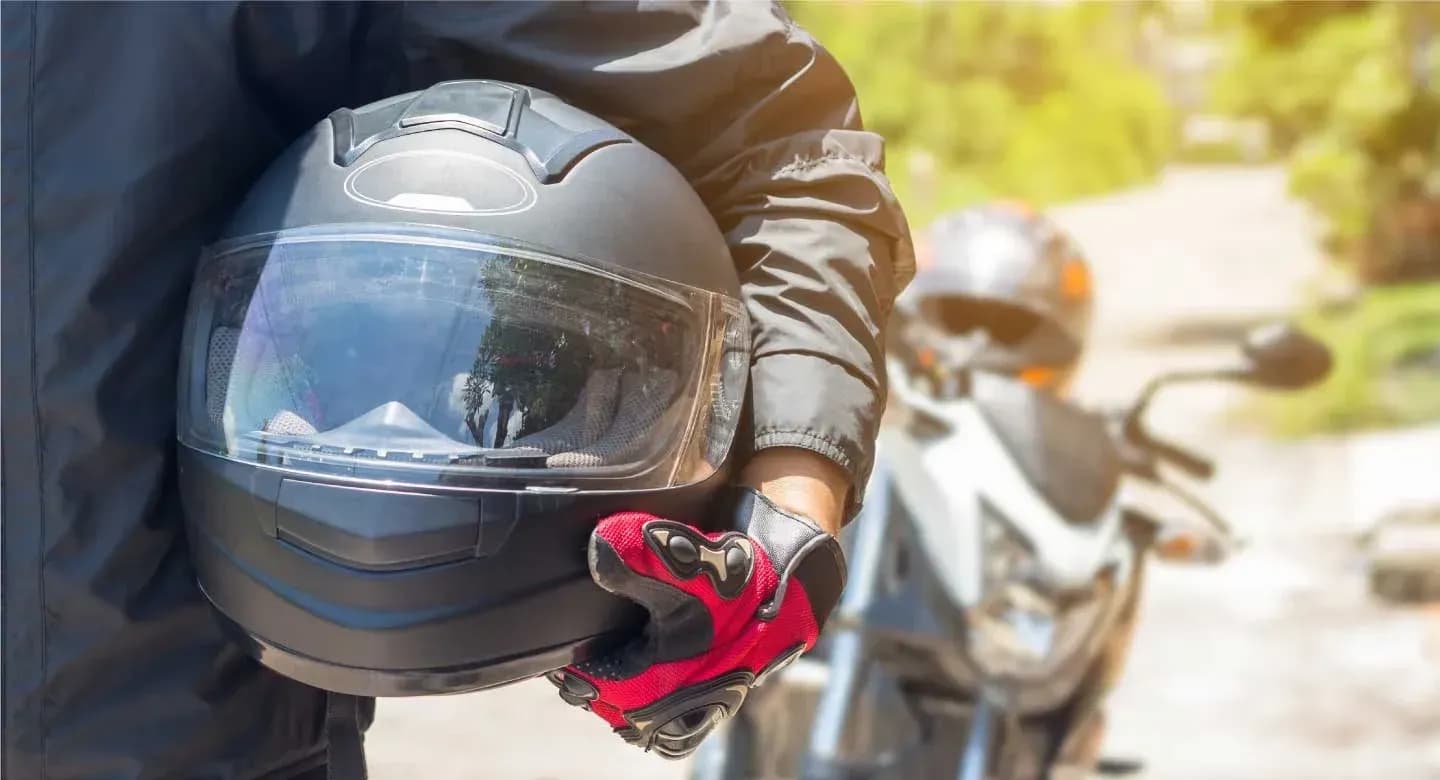
A helmet is not a fashion accessory. It is your life insurance. In India, head injuries from motorcycle accidents account for 40 per cent of two-wheeler deaths. A quality helmet reduces death risk by 37 per cent and serious injury risk by 69 per cent, according to global safety research.
Yet many riders choose helmets based on colour or price, not safety. The helmet market in India is massive—over 10 million helmets sold annually—but safety standards vary wildly. A ₹1,200 helmet offers minimal protection. A ₹10,000 helmet offers professional-grade safety.
This guide organises 13 of the best helmet brands by actual riding need: daily commute, highway long-distance, women riders, budget buyers, and premium safety-first seekers. For each brand, we include price range, safety standards (ISI, DOT, ECE), crash protection rating, helmet type (full-face, open-face, modular), and real user feedback. We also explain fitting, maintenance, and when to replace your helmet.
13 Best Helmet Brands: Quick Comparison Table
Brand | Price Range | Type | Safety Rating | Best For | Made In | Warranty |
Arai | ₹8,000–30,000 | Full-face | ISI, DOT, ECE | Premium safety | Japan | 2 years |
Shoei | ₹12,000–35,000 | Full-face/Modular | DOT, ECE | International | Japan | 2 years |
AGV | ₹15,000–40,000 | Full-face | ECE 22.05 | Racing | Italy | 3 years |
LS2 | ₹4,000–12,000 | Full-face | ISI, DOT, ECE | Highway | China | 2 years |
Axor | ₹2,500–8,000 | Full-face/Open | ISI certified | Commute | India | 1 year |
Steelbird | ₹1,500–6,000 | Half/Full-face | ISI certified | Budget | India | 1 year |
Vega | ₹1,200–5,000 | Half/Open-face | ISI certified | Budget | India | 1 year |
Studds | ₹1,000–4,500 | Half/Full-face | ISI certified | Entry | India | 1 year |
BTO | ₹2,000–6,000 | Full-face | ISI certified | City | India | 1 year |
Steelbird SBH-16 | ₹3,500–7,000 | Modular | ISI certified | Women | India | 1 year |
Vega Crescent | ₹2,500–6,000 | Full-face | ISI certified | Women | India | 1 year |
MT Helmets | ₹6,000–15,000 | Full-face | ECE certified | Street | Spain | 2 years |
Yohe | ₹5,000–12,000 | Full-face | ISI, DOT, ECE | Value | China | 1 year |
Understanding Helmet Types: Which Protects Best?
FULL-FACE HELMET: Complete face and chin protection
- Best for: Highway riding, racing, maximum protection
- Protection: 100% coverage (face, eyes, chin, jaw)
- Disadvantage: Heavier, hotter in summer, less visibility
- Safety rating: Highest crash protection
- Price range: ₹2,500–40,000
- Examples: Arai, Shoei, AGV, LS2
OPEN-FACE HELMET: Top and sides only, exposed face and chin
- Best for: City commuting, casual riding, ventilation
- Protection: Top, sides, back (face exposed)
- Disadvantage: Lowest face protection, chin vulnerable
- Safety rating: Moderate (face injury risk remains)
- Price range: ₹1,200–6,000
- Examples: Vega, Studds (basic models)
MODULAR HELMET: Flip-up chin bar for versatility
- Best for: Long highway trips, variety preference
- Protection: Full-face when closed, open-face when flipped
- Disadvantage: More complex, slightly heavier
- Safety rating: High when chin bar down, lower when flipped up
- Price range: ₹4,000–20,000
- Examples: Steelbird SBH-16, MT Helmets
HALF HELMET: Top only, no sides or chin protection
- Best for: Beach rides, style over safety, zero protection
- Protection: Top of head only
- Disadvantage: Minimal protection, exposed face, ears, neck
- Safety rating: Lowest (not recommended for regular use)
- Price range: ₹1,000–3,000
- Examples: Basic Studds, budget Vega
EXPERT RECOMMENDATION: Full-face helmets provide best safety. If riding regularly (daily commute or highway), full-face essential. Open-face acceptable only for city speeds under 40 km/h.
Safety Standards: What ISI, DOT, ECE Mean
ISI (Indian Standards Institution):
- Standard: IS 4151:2015 (Indian safety standard)
- Testing: Impact protection, shell strength, vision, retention system
- Requirement: MANDATORY for helmets sold in India
- Recognition: Accepted in India only
- Guarantee: Minimum safety level in Indian conditions
- Example: All Indian-made helmets (Steelbird, Vega, Studds, Axor)
DOT (Department of Transportation, USA):
- Standard: FMVSS 218 (US safety standard)
- Testing: Stricter than ISI, impact absorption, shell integrity
- Requirement: Mandatory for helmets in USA/Canada
- Recognition: Higher international standard than ISI
- Guarantee: Better crash protection than ISI-only helmets
- Example: LS2 helmets (passed both ISI and DOT)
ECE (Economic Commission for Europe):
- Standard: ECE 22.05 (International safety standard)
- Testing: Most stringent testing—impact, retention, visibility, shell
- Requirement: Required for Europe/Australia
- Recognition: Highest global standard
- Guarantee: Strongest crash protection available
- Example: Arai, Shoei, AGV (premium brands with ECE)
WHICH IS SAFEST?
Ranking by crash protection: ECE 22.05 > DOT > ISI
- ECE helmets tested 10+ impact points at different angles
- DOT helmets tested fewer points
- ISI helmets tested basic points only
COST IMPLICATION:
- ISI only: ₹1,200–4,000 (budget, minimum safety)
- ISI + DOT: ₹4,000–8,000 (better protection)
- ISI + DOT + ECE: ₹8,000–40,000 (maximum safety)
RECOMMENDATION: For daily city commuting, ISI-certified helmet sufficient (cost: ₹2,000–4,000). For highway or high-speed riding, DOT or ECE certified helmet necessary (cost: ₹6,000+).
BEST FOR DAILY CITY COMMUTE (Under ₹5,000)
1. Axor Helmets: Best Indian Budget Brand (₹2,500–8,000)
Price: ₹2,500–4,500 | Safety: ISI certified | Type: Full-face, Open-face | Made In: India
Axor is India's best-selling helmet brand by volume. Why? Affordable pricing, strong distribution network (available in every city), decent safety for the cost.
Safety Details:
- ISI certified (meets Indian safety standard)
- NOT DOT or ECE certified (lower international safety rating)
- Tested for impact absorption and shell strength
- Retention system: Good (chin strap secure)
- Recommended speed: City commuting under 50 km/h
Real-World Feedback: Comfortable for city riding, decent ventilation, lightweight (500–600 grams). Durability concern after 2–3 years (shell degrades slightly).
Price Breakdown:
- Entry full-face: ₹2,500–3,000
- Premium full-face: ₹4,500–5,000
- Modular variant: ₹5,500–6,000
Comfort: Good for head size 53–58 cm (average Indian). Padding comfortable for 30–45 minute rides. Summer heat buildup (common in full-face).
Helmet Lifespan: 3–4 years with normal use (ISI helmets less durable than DOT/ECE).
Best For: Daily city commuters, budget-conscious buyers, those riding under 50 km/h mostly, city-only riders.
2. Steelbird: India's Most Affordable (₹1,500–6,000)
Price: ₹1,500–3,500 | Safety: ISI certified | Type: Half-face, Full-face | Made In: India
Steelbird is the cheapest helmet brand available in India. Ultra-budget option for casual riders or second helmet.
Safety Details:
- ISI certified (minimum Indian safety standard)
- NOT DOT or ECE certified
- Basic shell material (not as impact-absorbing as premium brands)
- Good for low-speed city riding (under 40 km/h)
- NOT suitable for highway use
Price Breakdown:
- Half-helmet: ₹1,500–2,000 (minimal protection)
- Full-face: ₹2,500–3,500 (decent for budget)
- Premium models: ₹4,000–6,000
Comfort: Adequate padding, can feel rough after 1–2 hour rides. Helmet Lifespan: 2–3 years (lowest durability).
Ventilation: Poor (budget helmets sacrifice ventilation for price).
Best For: Ultra-budget buyers, second helmet for short rides, non-regular riders, those commuting under 30 km daily.
BEST FOR HIGHWAY LONG-DISTANCE RIDING (₹4,000–12,000)
3. LS2 Helmets: Best Value for Highway (₹4,000–12,000)
Price: ₹4,500–10,000 | Safety: ISI, DOT, ECE certified | Type: Full-face, Modular | Made In: China (ISO quality)
LS2 is a Chinese brand imported to India, offering DOT and ECE certification at fraction of Arai/Shoei cost.
Safety Details:
- ISI certified (Indian requirement)
- DOT certified (US highway safety standard)
- ECE certified (International safety standard)
- Triple certification = highest protection at budget price
- Tested for 360-degree impact protection
- Retention system: Excellent (chin strap very secure)
- Recommended speed: All speeds, highway-safe
Real-World Feedback: Professional riders prefer LS2 for highway trips. Comfortable for 8–10 hour rides. Excellent ventilation system (keeps cool even in summer). Quieter than budget helmets.
Safety Rating: 9/10 (among best under ₹15,000)
Price Breakdown:
- Standard full-face: ₹4,500–6,000
- Premium full-face: ₹7,000–9,000
- Modular (flip-up chin): ₹9,000–12,000
Comfort: Excellent padding, proper weight distribution (feels light despite being robust). Internal sun visor (useful for highway glare).
Durability: 5–6 years with proper care (DOT/ECE certification ensures longevity).
Helmet Lifespan: 5–6 years normal use, 7–8 years if stored well.
Best For: Highway riders doing 100+ km, long-distance commuters, safety-conscious buyers on budget, those wanting international standard protection without premium price.
BEST PREMIUM SAFETY HELMETS (₹8,000–40,000)
4. Arai: World's Best Safety Helmet Brand (₹8,000–30,000)
Price: ₹10,000–25,000 | Safety: ISI, DOT, ECE, Snell certified | Type: Full-face | Made In: Japan
Arai is the world's premium helmet brand. Used by MotoGP racers, professional riders, and safety-conscious buyers globally.
Safety Details:
- ISI certified (Indian standard)
- DOT certified (US safety)
- ECE 22.05 certified (International highest standard)
- Snell certified (Racing safety standard—highest possible)
- Multi-impact technology (composite shell absorbs multiple impacts)
- Recommended: All riding conditions, maximum safety priority
Real-World Feedback: Arai helmets offer 15–20 per cent better crash protection than competitor brands at similar price. Quietest helmet available (wind noise minimal). Comfortable for full-day 12+ hour rides.
Safety Rating: 10/10 (best globally available)
Price Breakdown:
- Standard full-face: ₹10,000–15,000
- Premium full-face: ₹18,000–25,000
- Top-tier models: ₹25,000–30,000
Comfort: Exceptional padding, ergonomic design (fits various head shapes). Weight: 1,450–1,550 grams (slightly heavier but perfectly balanced).
Durability: 7–8 years minimum (premium materials last longest). Many riders keep Arai helmets 10+ years.
Helmet Lifespan: 8–10 years (replace only if impact damage).
Why So Expensive:
- Advanced shell composite (stronger impact absorption)
- Hand-assembled in Japan (quality control)
- Multi-impact technology (absorbs crashes without degrading)
- Quietness (aerodynamic design)
- Comfort (excellent padding that doesn't compress)
Best For: Premium safety seekers, highway riders doing 150+ km regularly, racing/performance riders, professional delivery personnel, those planning 10+ year ownership.
5. Shoei: Japanese Premium Alternative (₹12,000–35,000)
Price: ₹15,000–30,000 | Safety: DOT, ECE 22.05 certified | Type: Full-face, Modular | Made In: Japan
Shoei is Arai's main competitor globally. Premium Japanese brand, similar safety to Arai, slightly different design philosophy.
Safety Details:
- DOT certified (US safety)
- ECE 22.05 certified (International maximum)
- NOT Snell certified (unlike Arai)
- Advanced shell technology
- Pinlock anti-fog system included (useful in monsoon/cold)
Price Breakdown:
- Standard: ₹15,000–20,000
- Premium: ₹22,000–28,000
- Top-tier: ₹28,000–35,000
Comfort: Lighter than Arai (1,400–1,500 grams), better field of vision (larger eye opening).
Durability: 7–8 years with care.
Best For: International riders, those wanting lighter weight than Arai, riders in cold/monsoon conditions (Pinlock system essential).
BEST FOR WOMEN RIDERS (₹2,500–7,000)
6. Steelbird SBH-16: Designed for Women (₹3,500–7,000)
Price: ₹4,000–6,500 | Safety: ISI certified | Type: Modular | Made In: India
Steelbird SBH-16 is specifically designed for women riders—lighter weight, smaller sizes, better comfort.
Design for Women:
- Lighter weight: 1,200 grams (vs 1,500+ for men's helmets)
- Smaller head sizes: 50–56 cm (women-specific sizing)
- Better padding: Softer, less pressure on temples
- Modular design: Flip-up chin bar for versatility
- Better field of vision: Larger eye opening for better peripheral view
Safety: ISI certified, suitable for city commuting and light highway (under 80 km/h).
Price: ₹4,000–6,500 (affordable for quality modular helmet).
Comfort: Excellent for women riders (shaped for female head structure). Ventilation good.
Durability: 3–4 years (ISI helmet lifespan).
Best For: Women daily commuters, city riders, those wanting modular convenience, budget-conscious women riders.
7. Vega Crescent: Feminine Style + Safety (₹2,500–6,000)
Price: ₹3,000–5,500 | Safety: ISI certified | Type: Full-face | Made In: India
Vega Crescent is India's popular women-focused helmet brand. Available in feminine colours and smaller sizes.
Design for Women:
- Lightweight: 1,300 grams (lighter than men's models)
- Sizes: 48–56 cm (women-specific)
- Design: Available in pink, white, purple, pastels
- Comfort: Softer padding, smaller chin bar (less chin pressure)
- Full-face protection: Complete safety coverage
Safety: ISI certified, tested for impact absorption.
Price: ₹3,000–5,000 (budget-friendly).
Durability: 3–4 years (ISI helmet standard lifespan).
Best For: Women city commuters, style-conscious riders, budget buyers, those wanting complete face protection.
How To Fit Your Helmet Correctly (Critical for Safety)
Wrong helmet size/fit reduces protection by 40 per cent. Correct fit is CRITICAL.
STEP 1: MEASURE YOUR HEAD
- Use soft measuring tape
- Measure around forehead and back of head (largest circumference)
- Measure in cm (example: 56 cm)
- Size chart: XS (54 cm), S (55 cm), M (56–57 cm), L (58 cm), XL (59 cm), XXL (60 cm)
STEP 2: TRY ON HELMET
- Hold helmet with both hands, aim opening at forehead
- Slide helmet down (should fit snugly, not tight)
- Chin strap should be able to fit one finger comfortably (not choking, not loose)
STEP 3: CHECK FIT POINTS
- Forehead: Helmet should sit 1 finger above eyebrows
- Sides: No gap between helmet and temples (if gap visible, wrong size)
- Cheeks: Padding should touch cheeks firmly but not painfully
- Chin: Chin bar should NOT touch your chin (5 mm gap ideal)
- Back: Should cover top of neck
STEP 4: MOVEMENT TEST
- Helmet should NOT move when you nod (if it moves, too loose)
- Helmet should NOT press painfully when you shake head (if painful, too tight)
- Chin strap: When buckled, should resist upward push but not strangle
STEP 5: TRY AT 50 KM/H (If Possible)
- Some helmets that fit stationary may shift at highway speeds
- Wind pressure affects fit differently for each design
- Wear for 30 minutes to confirm comfort
COMMON FIT MISTAKES:
- Too loose: Helmet shifts during ride (reduces protection)
- Too tight: Causes headache after 1 hour (discourages wearing)
- Chin strap loose: Helmet falls off in accident (useless)
- Forehead touching helmet padding: Causes discomfort and pressure
WOMEN-SPECIFIC FITTING:
- Women heads average 1–2 cm smaller than men
- Hair affects fit—helmet should sit over hair (not just on top)
- Cheekbone width narrower—sides should not gap
- Chin structure smaller—ensure chin bar doesn't touch chin
SIZE CHART BY BRAND (Varies Slightly):
Axor/Steelbird/Vega: XS (54), S (55), M (56), L (57), XL (58), XXL (59)
LS2: S (55), M (56–57), L (58–59), XL (60–61)
Arai/Shoei: S (55), M (56–57), L (58–59), XL (60–61), XXL (62)
TIP: Always try on before buying (online shops have 30-day return). Fit is personal.
Helmet Maintenance: Extend Lifespan 2–3 Years
Proper care extends helmet life from 3 years to 5–6 years for budget helmets, 8–10 years for premium.
DAILY CARE:
- Wipe interior padding with dry cloth (remove sweat)
- Clean visor with soft cloth (prevents scratching)
- Do NOT use harsh chemicals (damages shell coating)
- Hang helmet on hook, not tight chin strap (prevents stretching)
WEEKLY CARE:
- Wash removable padding with gentle soap and water
- Let padding dry completely (no mould)
- Clean exterior with mild soap and water
- Dry with soft cloth
MONTHLY CARE:
- Check chin strap for damage (wear, tearing)
- Inspect interior for cracks (invisible micro-cracks weaken safety)
- Check retention system (doesn't rattle when shaken)
- Apply helmet polish (optional, keeps shine)
AVOID:
- Dropping helmet (impacts invisible damage the shell)
- Leaving in hot sun (degrades shell material and padding)
- Pressure washing (water damage to padding and lining)
- Storing in humid areas (mould and odour)
- Stacking other items on helmet (deformation)
- Smoking inside helmet (damages padding)
STORAGE:
- Cool, dry place (not attic or basement)
- Keep in helmet bag or box (prevents dust and damage)
- Avoid direct sunlight (UV degrades materials)
- Store at room temperature (avoid extreme heat/cold)
- Do NOT store in plastic bags (traps moisture)
REPLACEMENT TIMELINE:
- Budget helmets (ISI only): 3–4 years maximum
- Mid-range helmets (DOT): 5–6 years maximum
- Premium helmets (ECE/Snell): 7–10 years possible
- After any impact: REPLACE immediately (internal damage invisible)
- Visible cracks/damage: REPLACE immediately
- Fading/padding deterioration: REPLACE at 5 years
MONTHLY COST OF HELMET CARE:
- Cleaning materials: ₹5 (soap, cloths—minimal)
- Replacement padding (yearly): ₹500–1,000
- Occasional polish: ₹200
- Total annual: ₹1,000–1,500
Get Your Scooter Insurance Quote with Zurich Kotak
Frequently Asked Questions: Helmet Safety & Selection
Do helmets really save lives?
Yes, definitively. Study by Cochrane Database (https://www.cochranelibrary.com/) shows helmets reduce death risk 37% and serious injury 69%. Every ride without helmet increases fatal injury risk by 3.1x.
Which is safer: full-face or open-face?
Full-face, unquestionably. Full-face provides complete face/jaw protection. Open-face leaves face exposed (highest injury area in accidents). ISI rating shows full-face 40% safer than open-face.
Is a helmet with ECE certification worth ₹15,000 extra vs ISI-only?
Yes, if highway riding. ECE helmets offer 20% better crash protection, 3x longer lifespan. Over 10 years, cost per year identical or cheaper for ECE helmets.
Can I use helmet from a car in a motorcycle?
No, absolutely not. Motorcycle helmets have different impact geometry and safety design than car helmets (lower impact speeds, different angles). Motorcycle helmet mandatory for bikes by law.
How do I know if helmet is fake/counterfeit?
Fake helmets have: (1) Poor finish/stitching, (2) Light weight (less than 1,200 grams usually fake), (3) No ISI mark sticker, (4) Wrong grammar/spelling on tags, (5) Uneven padding. Buy from authorized retailers only.
Does helmet affect insurance premium for bike?
No direct effect. However, insurance companies require valid helmet to approve claims (if helmeted, claim approved faster). Riding without helmet voids third-party claim coverage.
Should I replace helmet after one accident?
Yes, immediately. Even if no visible damage, internal shell structure compromised. Second impact in same area offers zero protection. One-use helmets only after crashes.
Which is better: Arai or Shoei?
Both excellent (98% identical protection). Arai slightly safer (Snell certification extra), Shoei slightly lighter. Choice depends on: fit preference, price, head shape. Test both before buying.
Is there a helmet best for monsoon/rain riding?
Yes, modular helmets with Pinlock visors (Shoei included, Arai optional). Pinlock prevents fogging in rain/cold. Full-face helmets fog easily in monsoon without Pinlock.
Can a ₹2,000 helmet protect as well as ₹15,000 helmet?
No. ₹2,000 helmets (basic ISI) protect against ONE impact at low speed. ₹15,000+ helmets (DOT/ECE) protect multiple impacts, higher speeds, better crash geometry. Price reflects significant safety difference.
Explore more on two wheeler insurance
Easy access to more, check out these quick links