
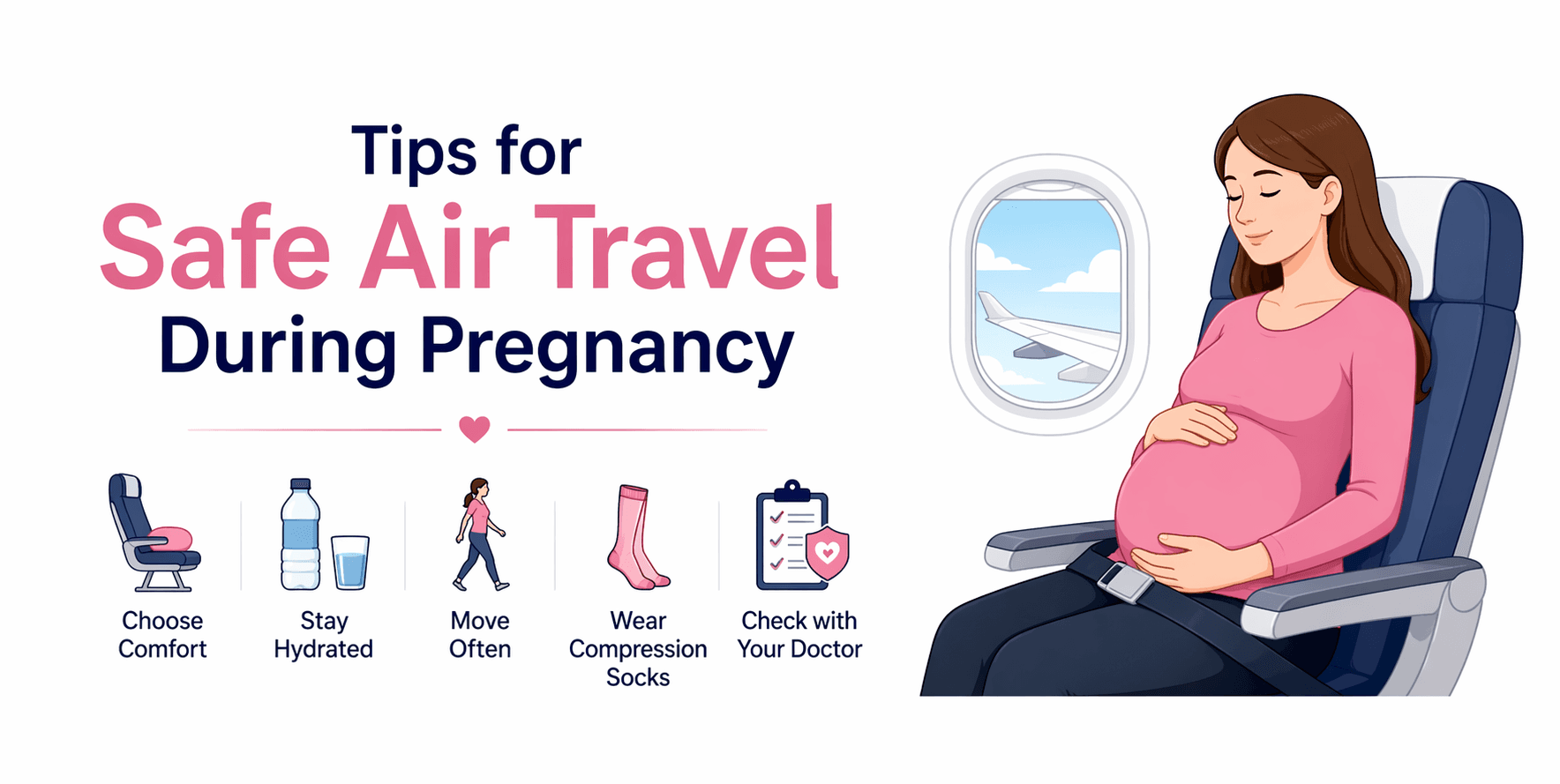
Planning a trip during pregnancy requires more preparation than a regular holiday, but it does not have to be stressful. From choosing the right destination and booking the right seat to packing the right essentials and ensuring you have adequate trip insurance for pregnancy, a little planning can make your trip more comfortable and easier to manage. Most women can fly safely until the late third trimester, and with the right preparation, air travel during pregnancy can be enjoyable and worry-free.
Planning your trip: when and where to go
Careful planning is essential when travelling during pregnancy, as factors such as timing, destination, and comfort can significantly affect your overall experience.
Best time to travel
The second trimester (weeks 14 to 27) is the ideal travel window for most pregnant women. Morning sickness typically fades by week 14, energy levels are higher than in the first trimester, and the risk of premature labour is low. The belly is not yet large enough to cause significant discomfort during long flights or sightseeing. If you are planning a babymoon or a pre-baby holiday, aim to travel during this period.
Choosing the right destination
When selecting a travel destination during pregnancy, consider the following factors.
Healthcare access: Choose a destination with reliable hospitals and medical facilities in case of an emergency. Avoid remote locations with limited healthcare infrastructure.
Climate: Extreme heat and high humidity can cause dehydration and exhaustion more quickly during pregnancy. Moderate climates are more comfortable.
Altitude: Very high altitudes (above 3,500 metres) reduce oxygen availability and can cause altitude sickness, which is riskier during pregnancy. Consult your doctor before travelling to high-altitude destinations.
Travel duration: Shorter flights (under 4 hours) are more comfortable than long-haul flights. If a long flight is unavoidable, choose one with a stopover to stretch and walk.
Food and water safety: Destinations with reliable food hygiene and safe drinking water reduce the risk of gastrointestinal infections, which can be more serious during pregnancy.
Vaccination requirements: Some countries require specific vaccinations that may not be safe during pregnancy. Check destination entry requirements well in advance.
Booking and seat selection tips
Choosing the right seat and planning your booking carefully can make a significant difference in comfort and ease while flying during pregnancy.
Book an aisle seat: This gives you easy access to the aisle for walking, stretching, and restroom visits without having to climb over other passengers.
Prefer bulkhead or extra-legroom seats: More legroom means more space to stretch your legs and keep blood circulating, reducing the risk of DVT.
Avoid the back of the aircraft: The rear tends to experience more turbulence and is farther from the front restrooms.
Book direct flights when possible: Layovers add fatigue and increase total travel time, both of which are harder to manage during pregnancy.
Inform the airline at the time of booking: Let the airline know about your pregnancy so they can accommodate any special needs and confirm their travel policy for your gestational age.
These simple booking and seat selection choices can help reduce discomfort and make your journey more relaxed and manageable.
What to pack for air travel during pregnancy?
Packing thoughtfully for air travel during pregnancy helps minimise discomfort and ensures you are prepared for both routine needs and unexpected situations during the journey.
Medical documents: Fit-to-fly certificate (if required), prenatal records, list of medications, doctor's contact information, and trip insurance for pregnancy policy documents.
Medications: Prenatal vitamins, iron supplements, anti-nausea medication, antacids, and any prescribed medication in original packaging with prescription labels.
Compression stockings: Medical-grade compression stockings reduce leg swelling and lower the risk of DVT during the flight.
Comfortable clothing: Loose, breathable fabrics with stretchy waistbands. Layers for temperature regulation in the cabin. Slip-on shoes for easy removal if feet swell.
Healthy snacks: Crackers, dry fruits, granola bars, fresh fruit, and plain biscuits help manage hunger and nausea between meals.
Water bottle: An empty refillable bottle to fill after security. Staying hydrated is essential in the dry cabin environment.
Neck pillow and blanket: A supportive neck pillow and a light blanket improve comfort during rest periods on the flight.
Entertainment and distraction: Books, headphones, downloaded shows, or music for long flights where rest may not come easily.
Having these essentials within easy reach can make your flight more comfortable and help you manage common pregnancy-related needs.
In-flight comfort strategies
Simple in-flight habits can go a long way in improving comfort and reducing health risks during air travel while pregnant.
Position your seatbelt correctly: Low across the hips, under the abdomen, not over it.
Stand and walk every 30 to 60 minutes: This promotes circulation, reduces leg swelling, and lowers the risk of DVT. Set a reminder on your phone if needed.
Do seated exercises: Ankle circles, calf raises, and gentle knee lifts while seated keep blood flowing when you cannot walk.
Drink water frequently: Aim for a glass of water every hour. Avoid excessive caffeine and carbonated drinks, which can increase dehydration and bloating.
Eat small, frequent meals: Large meals can cause discomfort due to reduced stomach space in later pregnancy. Small snacks throughout the flight are better.
Use the recline function: Slightly reclining the seat takes pressure off the lower back and makes longer flights more bearable.
Avoid crossing your legs: This can restrict blood flow and increase the risk of swelling and DVT. Keep feet flat on the floor or elevated slightly.
Following these strategies throughout the flight can help you stay comfortable, reduce fatigue, and support better circulation.
Dealing with common pregnancy discomforts during flight
Pregnancy-related discomforts can become more noticeable during flights, but they can be managed effectively with the right precautions.
Discomfort | Management Strategy |
Nausea | Eat light snacks before and during the flight. Carry prescribed anti-nausea medication. Avoid strong-smelling foods. |
Leg swelling | Wear compression stockings. Walk regularly. Elevate feet when possible. Avoid salty foods before flying. |
Back pain | Use a lumbar support pillow. Recline the seat slightly. Stand and stretch periodically. |
Frequent urination | Choose an aisle seat. Continue drinking water despite frequent trips. Do not reduce fluid intake. |
Heartburn | Avoid spicy and acidic foods. Eat small meals. Carry antacids approved by your doctor. |
Fatigue | Sleep when possible. Use a neck pillow and eye mask. Avoid over-scheduling activities at the destination. |
Understanding how to manage these common issues can help you stay more comfortable and enjoy a smoother travel experience.
Why travel insurance is important during pregnancy
Travel insurance is essential when travelling during pregnancy to avoid any unnecessary complications. With Zurich Kotak General Insurance, you can easily ensure protection against unexpected medical and travel-related emergencies. While standard travel insurance plans generally do not cover routine pregnancy, childbirth, or neonatal care, they can still be valuable for covering unforeseen illnesses, accidents, and medical emergencies that may occur during the trip.
For example, a condition such as severe dehydration, infection, injury, or a non-pregnancy-related medical emergency may require hospitalisation, which can be expensive abroad. Travel insurance helps cover such costs, as well as emergency evacuation if medically necessary.
It is important to note that pregnancy is typically treated as a declarable condition, and coverage is subject to policy terms, conditions, and exclusions.
How to choose the right travel insurance during pregnancy?
Choosing the right travel insurance for pregnancy requires careful evaluation of coverage limits, inclusions, and policy conditions.
Check the gestational age cut-off: Most plans cover pregnancies up to 28-32 weeks. Specialised plans may extend to 36 weeks. Ensure your travel dates fall within the covered window.
Review exclusions carefully: Pre-existing pregnancy complications, elective procedures, and deliveries scheduled at the destination are commonly excluded.
Verify the coverage amount: Premature delivery and neonatal ICU care can cost lakhs of rupees abroad. Ensure the coverage limit is adequate for the destination's healthcare costs.
Check if the plan covers the newborn: Some plans extend coverage to the baby if delivery occurs during the trip. This is important for trips during the third trimester.
Confirm the 24-hour assistance helpline: Ensure the insurer provides round-the-clock emergency assistance that can coordinate hospital admission and treatment at the destination.
Choose a reliable insurer: Zurich Kotak General Insurance offers travel insurance plans that cover medical emergencies, evacuation, and 24/7 global assistance, helping travellers manage unexpected situations during their trip.
Declare your pregnancy at the time of purchase: Inform the insurer if you are pregnant, especially beyond 6 months, as non-disclosure may affect policy validity and claims.
Reviewing these factors carefully can help you select a plan that offers adequate protection for both you and your baby during travel. Always review the policy wording carefully, as pregnancy-related conditions, childbirth, and neonatal care are generally excluded unless specifically covered.
At the destination: staying safe and healthy
Taking simple precautions at your destination can help you stay comfortable, reduce health risks, and enjoy your trip during pregnancy.
Stay hydrated and eat well: Drink bottled or filtered water. Eat freshly prepared food from hygienic sources. Avoid raw or undercooked food.
Rest adequately: Do not over-schedule your itinerary. Build in rest days and afternoon breaks. Fatigue accumulates faster during pregnancy.
Identify the nearest hospital: Before arriving, research the nearest hospital with maternity and emergency services. Save the address and contact number on your phone.
Carry your insurance details at all times: Keep your travel insurance for pregnancy policy number, insurer helpline, and emergency contact card in your handbag.
Protect yourself from the sun: Pregnant skin is more sensitive to sun exposure. Use sunscreen, wear a hat, and avoid prolonged sun exposure during peak hours.
Continue taking prescribed medications: Maintain your regular prenatal supplement and medication schedule throughout the trip.
Following these precautions can help you maintain your health and make your travel experience safer and more comfortable.
Conclusion
Air travel during pregnancy is safe and enjoyable with proper planning. The second trimester is the most comfortable travel window, and choosing the right destination, seat, and packing list makes a significant difference. Trip insurance for pregnancy is essential for covering medical emergencies, premature delivery, trip cancellation, and medical evacuation during the journey. Consulting your obstetrician before travelling, carrying medical documents and insurance details in your hand luggage, and staying hydrated and active during the flight are the most important steps for a safe and comfortable trip. Understanding policy inclusions and exclusions, especially regarding pregnancy-related conditions, is essential when choosing travel insurance to ensure a safe and well-prepared journey.
FAQs
Q1: What is the best time to travel by air during pregnancy?
The second trimester (weeks 14 to 27) is the safest and most comfortable period for air travel. Morning sickness fades, and energy improves.
Q2: What is trip insurance for pregnancy?
Travel insurance that covers pregnancy-related emergencies, premature delivery, trip cancellation, and medical evacuation during the insured trip.
Q3: What should I pack for a flight during pregnancy?
Medical documents, medications, compression stockings, comfortable clothes, healthy snacks, an ater bottle, a neck pillow, and an insurance policy details.
Q4: Which seat is best for a pregnant traveller on a flight?
An aisle seat with extra legroom allows easy movement for walking, stretching, and restroom access without disturbing other passengers.
Q5: Can I fly in the third trimester?
Most airlines allow domestic travel up to 36 weeks with a medical certificate. International restrictions start at 32-35 weeks.
Q6: How do I prevent leg swelling during a flight while pregnant?
Wear compression stockings, drink plenty of water, walk every 30 to 60 minutes, and do seated leg exercises to improve circulation.
Q7: Does trip insurance for pregnancy cover trip cancellation?
Yes, most plans cover cancellation if a pregnancy complication prevents travel. Check exclusions for pre-existing conditions and planned deliveries.
Q8: What destinations should I avoid during pregnancy?
Avoid remote areas with limited healthcare, very high altitudes, regions requiring unsafe vaccinations, and destinations with poor food and water hygiene.
Explore more on health insurance
Easy access to more, check out these quick links