
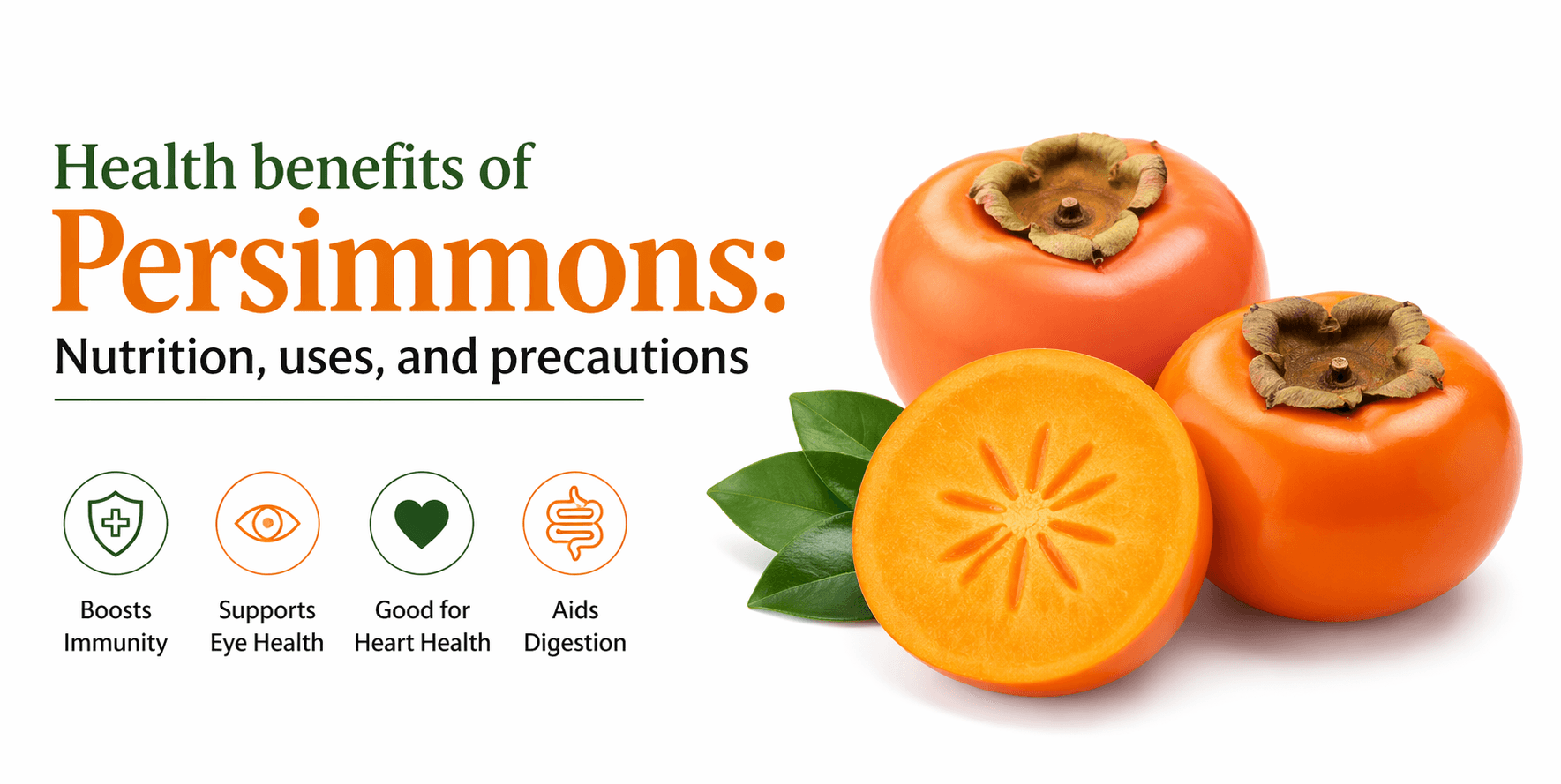
Persimmons are bright orange, sweet-tasting fruits that belong to the genus Diospyros and are widely cultivated in China, Japan, Korea, and parts of India. Rich in vitamins, minerals, antioxidants, and dietary fiber, persimmons offer a range of health benefits that support heart health, digestive function, eye health, and immune strength. Two primary varieties exist, including Fuyu (non-astringent, eaten firm) and Hachiya (astringent, best eaten when fully ripe and soft). Understanding the nutritional profile, specific health benefits, how to include persimmons in your diet, and any precautions to be aware of helps you make the most of this nutrient-dense fruit.
What are persimmons?
Persimmons are deciduous fruit trees that produce orange to reddish-brown fruits, typically harvested in autumn and early winter. The name Diospyros translates roughly to "divine fruit" in Greek, reflecting the high regard the fruit has held in Asian culinary traditions for centuries. In India, persimmons are grown primarily in the hilly regions of Jammu and Kashmir, Himachal Pradesh, and parts of the northeast. The fruit is eaten fresh, dried, or cooked into desserts, jams, and smoothies.
Each variety requires its own specific method of consumption. Fuyu persimmons are shaped like tomatoes and can be eaten when still firm, sliced into salads, or used in cooking. Hachiya persimmons are more elongated and must be eaten only when completely ripe, as the unripe fruit contains high levels of tannins that produce a strong astringent, mouth-puckering sensation.
Nutritional profile of persimmon fruit
Persimmon fruit benefits start with a dense nutritional profile. A medium-sized persimmon (approximately 168 grams) provides the following key nutrients.
Nutrient | Amount per Medium Persimmon (~168g) |
Calories | 118 kcal |
Carbohydrates | 31 g |
Dietary fibre | 6 g (24% of daily value) |
Protein | 1 g |
Fat | 0.3 g |
Vitamin A | 2,733 IU (55% of daily value) |
Vitamin C | 12.6 mg (21% of daily value) |
Manganese | 0.6 mg (30% of daily value) |
Potassium | 270 mg |
Copper | 0.2 mg (9% of daily value) |
Vitamin B6 | 0.2 mg (8% of daily value) |
Persimmons are notably high in vitamin A (as beta-carotene), which supports eye health and immune function, and in dietary fibre, which promotes digestive regularity.
Health benefits of persimmon fruit
Beyond their unique honey-like flavour, these vibrant fruits provide a wealth of essential nutrients that promote long-term physical well-being.
1. Rich in antioxidants
Persimmon fruit benefits include a high concentration of antioxidants, particularly beta-carotene, lycopene, lutein, and zeaxanthin. These compounds neutralise free radicals in the body, which are unstable molecules that damage cells and contribute to chronic diseases like cancer, heart disease, and premature ageing. The vibrant orange colour of the fruit is itself an indicator of its carotenoid content. Regular consumption of antioxidant-rich fruits like persimmons supports the body’s defence against oxidative stress.
2. Supports heart health
Persimmons contain flavonoid antioxidants, including quercetin and kaempferol, which have been associated with reduced risk of heart disease in epidemiological studies. The high fibre content helps lower LDL (bad cholesterol) by binding to cholesterol in the digestive tract and preventing its absorption into the bloodstream. Potassium in persimmons supports healthy blood pressure by counteracting the effects of sodium. These specific nutrients ensure persimmons are a heart-healthy choice when included as part of a well-rounded, nutritious diet.
3. Promotes digestive health
A single medium persimmon provides approximately 6 grams of dietary fibre, which is about 24% of the recommended daily intake. Fibre adds bulk to stool, promotes regular bowel movements, and feeds beneficial gut bacteria. Soluble fibre in persimmons slows digestion and helps regulate blood sugar levels after meals. Eating fibre-heavy fruits like persimmons improves general gut performance and might lower risks for constipation, diverticulitis, or bowel issues.
4. Supports eye health
Persimmons are an excellent source of vitamin A (as beta-carotene) and the carotenoids lutein and zeaxanthin, all of which are essential for maintaining healthy vision. Beta-carotene is converted to vitamin A in the body, which is necessary for the proper functioning of the retina and for maintaining night vision. Lutein and zeaxanthin accumulate in the macula of the eye and help filter damaging rays, protecting against age-related macular degeneration and cataracts over time.
5. Strengthens immune function
Vitamin C in persimmons supports the immune system by stimulating the production of white blood cells, which are the body’s primary defence against infections. A medium persimmon provides about 21% of the daily recommended vitamin C intake. Vitamin C also acts as an antioxidant, protecting immune cells from damage by free radicals, and supports the integrity of the skin and mucous membranes, which serve as the body’s first physical barrier against pathogens.
6. Anti-inflammatory properties
The tannins, flavonoids, and carotenoids in persimmons have anti-inflammatory properties that may help reduce chronic low-grade inflammation in the body. Chronic inflammation is linked to conditions like heart disease, diabetes, arthritis, and certain cancers. While persimmons alone cannot cure those diseases, adding them to anti-inflammatory diets with other produce and grains helps manage overall swelling.
7. May support blood sugar regulation
Despite their natural sweetness, persimmons have a moderate glycaemic index when consumed in reasonable portions. The high fibre content slows the absorption of sugar into the bloodstream, preventing sharp spikes in blood glucose after eating. Some research suggests that the tannins and flavonoids in persimmons may also improve insulin sensitivity. However, people with diabetes should monitor their intake and consult their doctor, as the carbohydrate content is still significant at approximately 31 grams per fruit.
8. Supports skin health
The combination of vitamin A, vitamin C, and antioxidants in persimmons supports skin health from the inside. Vitamin A promotes skin cell turnover and repair, vitamin C is essential for collagen production (the protein that gives skin its structure and elasticity), and antioxidants protect skin cells from UV-induced and pollution-related damage. Regular consumption of nutrient-dense fruits like persimmons helps maintain skin that looks and feels strong while protecting it from the elements.
How to include persimmons in your diet?
Whether you prefer them crunchy like an apple or soft and jammy, there are plenty of easy ways to enjoy these versatile fruits throughout the day.
Eat fresh: Crisp Fuyu varieties are perfect for slicing and eating just like an apple. However, ensure Hachiya types are incredibly soft and jelly-like before tucking in to avoid a bitter taste.
Add to salads: Toss sliced pieces into a bowl of leafy greens. They pair beautifully with tangy goat’s cheese, toasted walnuts, and a simple balsamic glaze.
Blend into smoothies: Use the ripe pulp to naturally sweeten your morning shake. It blends smoothly with Greek yoghurt, banana, and a handful of fresh spinach.
Use in baking: Swap out some sugar by using Hachiya pulp in sponges, puddings, or muffins. It adds a lovely moisture and honey-like depth to your favourite bakes.
Dry for snacking: Try the Japanese hoshigaki method or simply dehydrate slices for a chewy, high-fibre snack that satisfies any sweet craving on the go.
Make jam or chutney: Simmer the fruit into a rich preserve. These condiments work brilliantly when served alongside savoury crackers or even glazed over grilled meats.
Experimenting with these different textures makes it simple to find a preparation that suits your personal taste.
Precautions and side effects
While the nutritional advantages of persimmons are proven, certain safety measures deserve your attention.
Avoid eating unripe astringent persimmons: Unripe Hachiya persimmons contain high levels of soluble tannins that can cause a strong astringent, drying sensation in the mouth. In extreme cases, consuming large quantities of unripe persimmons on an empty stomach can lead to the formation of bezoars (hardened masses of undigested material) in the stomach.
Moderate intake for people with diabetes: Persimmons contain approximately 31 grams of carbohydrates per fruit. While the fibre content helps moderate blood sugar impact, people with diabetes should monitor portions and consult their doctor.
Allergic reactions: Although rare, some individuals may experience allergic reactions to persimmons, including itching, swelling, or hives. Discontinue consumption and seek medical attention if symptoms occur.
Interaction with iron absorption: The tannins in persimmons can inhibit iron absorption when consumed with iron-rich foods or iron supplements. People with iron deficiency should avoid eating persimmons with their iron-rich meals.
Calorie content: At approximately 118 calories per fruit, persimmons are not low-calorie. Consuming multiple fruits daily can add significant calories to your diet. One to two persimmons per day is a reasonable amount for most adults.
Taking these small precautions ensures you can safely enjoy the unique flavour and health benefits this seasonal fruit has to offer.
Persimmons vs other common fruits: Nutritional comparison
Fruit | Calories | Fibre (g) | Vit A (IU) | Vit C (mg) | Potassium (mg) | Sugar (g) |
Persimmon | 118 | 6.0 | 2,733 | 12.6 | 270 | 21 |
Apple | 95 | 4.4 | 98 | 8.4 | 195 | 19 |
Orange | 62 | 3.1 | 295 | 70 | 237 | 12 |
Banana | 105 | 3.1 | 76 | 10.3 | 422 | 14 |
Mango | 99 | 2.6 | 1,584 | 60.1 | 277 | 23 |
Persimmons stand out for their exceptionally high vitamin A content and fibre density compared to most common fruits.
Persimmons and health insurance
A diet rich in nutrient-dense fruits like persimmons, combined with regular exercise and preventive health check-ups, contributes to long-term health and reduces the risk of chronic conditions like heart disease, diabetes, and vision problems. Health insurance that covers preventive health check-ups, chronic disease management, and hospitalisation ensures that you are financially protected even when lifestyle choices require extra medical support. Zurich Kotak General Insurance offers health plans that cover a wide range of medical expenses, supporting your health journey from prevention to treatment.
Conclusion
Persimmons provide wide-ranging advantages for your heart, digestion, and eyes, fueled by the fruit's dense levels of antioxidants, vitamins A and C, fibre, and potassium. The fruit can be eaten fresh, added to salads and smoothies, dried for snacking, or used in baking. Precautions include avoiding unripe astringent varieties, moderating intake for diabetes management, and being mindful of the tannin content’s effect on iron absorption. Including persimmons as part of a balanced, varied diet is a practical way to boost your daily intake of essential nutrients.
Read more - Health Insurance: Complete Overview of What, Why, How & Coverage
FAQs
Q1: What are the main health benefits of persimmon fruit?
Persimmons offer a powerful combination of antioxidant protection, heart and digestive support, and improved eye health. These fruits also provide a natural boost to the immune system and possess anti-inflammatory properties that help protect your body from chronic oxidative stress and long-term damage.
Q2: Can diabetics eat persimmons?
Yes, they can be enjoyed in small amounts. While the high fibre content helps to regulate blood sugar levels, each fruit contains roughly thirty-one grams of carbohydrates. This means that portion sizes should be monitored closely to ensure they fit within a daily nutritional plan.
Q3: What is the difference between Fuyu and Hachiya persimmons?
The main difference lies in their tannin levels. Fuyu persimmons are non-astringent and can be eaten while still firm, much like an apple. Hachiya persimmons are highly astringent and must be allowed to become completely ripe and jelly-soft before eating to avoid a bitter taste.
Q4: How many persimmons can I eat in a day?
For most healthy adults, eating one to two persimmons per day is a reasonable amount. This portion provides a significant dose of vitamins and minerals without adding an excessive number of calories or too much natural sugar to your daily diet.
Q5: Are dried persimmons as nutritious as fresh?
Dried persimmons retain their fibre and certain vitamins, but the drying process concentrates the sugar and calorie content. While they make a great snack, fresh fruit is generally the better option for maintaining a balanced nutritional intake and staying hydrated.
Q6: Can persimmons cause stomach problems?
Eating large quantities of unripe, astringent persimmons on an empty stomach can lead to digestive issues. In rare cases, the high tannin content can react with stomach acid to form bezoars, which are hardened masses that can cause blockages.
Q7: Are persimmons available in India?
Yes, persimmons are grown locally in regions like Jammu and Kashmir, Himachal Pradesh, and parts of northeast India. They are also imported during the season and can be found quite easily in most large urban markets and speciality food stores.
Q8: Do persimmons help lower cholesterol?
The soluble fibre and flavonoid antioxidants found in persimmons can help lower LDL (bad) cholesterol. When eaten as part of a heart-healthy diet, these components work together to bind to cholesterol in the digestive tract and prevent it from entering the bloodstream.
Explore more on health insurance
Easy access to more, check out these quick links