
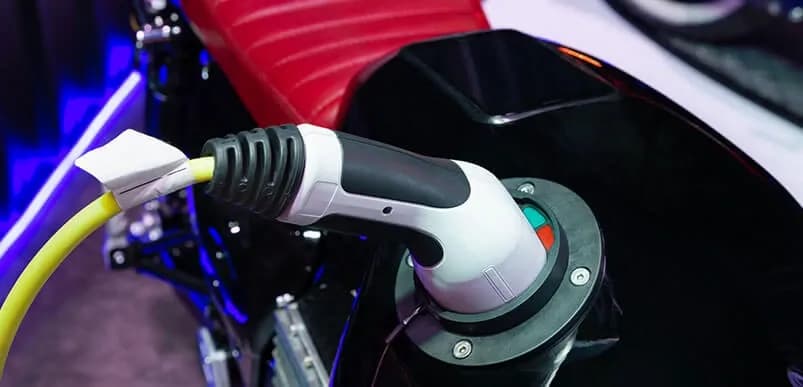
Electric vehicles (EVs) are rapidly becoming commonplace on Indian roads, with long-range electric cars gaining strong popularity among buyers. Offering driving ranges exceeding 500 kilometres, these vehicles help reduce range anxiety and make longer journeys practical without frequent charging stops. As adoption grows, understanding how these technological advancements influence car insurance premiums, coverage considerations, and policy costs in India becomes essential for current and prospective EV owners.
The Evolution of Long-Range EVs in India
Battery technology has improved significantly, with higher energy density lithium-ion cells and efficient thermal management systems enabling extended driving ranges. Manufacturers now offer models covering 450 to 650 kilometres on a single charge under standardised test conditions, compared to 200 to 300 kilometres just a few years ago.
India's charging infrastructure has expanded substantially. Ultra-fast DC chargers are now available along major national highways, and cities like Delhi, Mumbai, Bangalore, and Hyderabad have seen rapid increases in public and private charging stations. Route planning apps reduce concerns about running out of charge during longer trips.
Real-World Range Versus ARAI Figures
ARAI-certified range figures are measured under controlled laboratory conditions and tend to be optimistic compared to real-world driving. Real-world range depends on driving speed, terrain, ambient temperature, air conditioning use, and payload weight.
As a general rule, expect real-world range to be 20 to 30 percent lower than ARAI figures. An EV with 500 km ARAI-certified range may deliver 350 to 400 km under typical highway conditions. Buyers should factor this gap into decisions and plan charging stops accordingly.
Long-Range Electric Cars Available in India (June 2026)
The table below lists electric cars available in India with ARAI-certified or claimed range of 400 km or more. Prices are approximate ex-showroom and subject to frequent changes.
Model | Range (km) | Price (₹ Lakhs) | Key Features |
Tata Nexon EV Max | 465 | 12.49–17.19 | Best-selling EV, ADAS, regenerative braking |
Tata Curvv EV | 502 | 17.49–20.00 | Coupe-SUV design, V2L charging, Level 2 ADAS |
Tata Harrier EV | Up to 627 | 21.49–28.99 | Flagship EV, 65/75 kWh options, Quad Drive |
Mahindra XUV400 EL Pro | 456 | 16.49–19.19 | Compact SUV, AdrenoX features, dual-tone |
Up to 556 | 18.90–28.49 | Coupe SUV, dual-motor AWD, Level 2 ADAS | |
MG ZS EV | 461 | 18.98–25.20 | Family-friendly SUV, ADAS, panoramic roof |
BYD Atto 3 | 521 | 24.99–33.99 | Blade battery, V2L charging, 60.48 kWh |
BYD Sealion 7 | Up to 567 | 48.90–52.90 | Premium coupe SUV, dual-motor, 530 PS |
Kia EV6 | Up to 708 | 65.97–72.00 | 800V architecture, ultra-fast charging, V2L |
Tesla Model Y | Up to 661 | 41.49–54.49 | Launched March 2025, Autopilot, minimalist design |
Up to 590 | 72.50–77.50 | Electric sedan, 340 PS, 83.9 kWh battery | |
Hyundai Ioniq 5 | Up to 631 | 46.05–50.00 | 800V platform, retro-futuristic design, V2L |
Mercedes-Benz EQS | Up to 857 | 1.30 Cr–1.62 Cr | Longest range, 107.8 kWh battery, Hyperscreen |
Note: Range figures are ARAI-certified or manufacturer-claimed. Real-world range typically 20-30% lower. Prices approximate ex-showroom and subject to change. Verify current prices with dealers.
How Car Insurance Premiums Are Calculated for Long-Range Electric Cars
Insurance premiums for electric cars follow the same broad framework as conventional vehicles, but EV-specific factors influence pricing:
Insured Declared Value (IDV) : Reflects current market value including battery pack and motor. Since batteries account for 30-50% of EV cost, IDV tends to be higher than similarly priced ICE vehicles, pushing premiums upward.
Battery Capacity and Motor Power: Directly affect repair and replacement costs. Larger batteries and more powerful motors mean higher potential claim amounts factored into premiums.
Vehicle Age and Depreciation: Work differently for EVs as battery degradation reduces car value differently than conventional engines. Insurers apply EV-specific depreciation schedules.
Registration Location: Affects premiums based on traffic density and theft rates. Metro cars attract higher premiums than other areas.
Add-On Covers : EV-specific add-ons include battery protection, motor breakdown, charging equipment damage, and EV roadside assistance, each increasing base premium.
No Claim Bonus (NCB) : Discounts apply similarly to ICE policies, though some insurers exclude battery-related claims from NCB eligibility.
Understanding these factors helps EV buyers compare quotes and choose appropriate coverage without overpaying.
Why Choose Dedicated Electric Car Insurance Policies
Standard motor insurance may not fully cover EV-specific risks. Dedicated EV insurance policies address gaps conventional policies leave open:
Battery and Motor Protection: Covers repair or replacement if damaged from accident, short circuit, water ingress, or covered events
Charging Equipment Damage: Covers home or portable chargers damaged by power surge, fire, or theft (not covered under standard policies)
EV-Specific Roadside Assistance: Provides help for situations unique to electric cars, such as running out of charge mid-journey
Faster Claim Settlement: Some dedicated EV insurers have tie-ups with authorised service centres, reducing wait time for specialised parts
For EV owners with vehicles worth ₹20 lakh or more, dedicated EV insurance cost is typically a small fraction of potential out-of-pocket battery or motor replacement expenses.
Impact of Long-Range EVs on Insurance Premiums
Factors That Increase Premiums
Higher Vehicle Value: Long-range EVs cost more due to larger batteries and advanced technology, increasing IDV and premiums
Expensive Battery Replacement: Batteries account for 30-50% of vehicle value. Battery damage results in high claim amounts
Specialised Repair Costs: Long-range EVs include advanced driver assistance systems (ADAS), complex sensors, and proprietary software requiring trained technicians
Factors That Reduce Premiums
Lower Roadside Assistance Claims: Long-range EVs less likely to run out of charge during trips, reducing emergency claims
Better Charging Infrastructure: Cities and highways with widespread chargers may attract slightly lower premiums
Government Incentives: Some states offer reduced road tax and insurance benefits for EV buyers, offsetting higher base premiums
Overall, long-range EVs typically carry premiums 5 to 20 percent higher than comparable ICE vehicles, primarily due to battery costs and specialised repairs. However, lower maintenance and fewer mechanical breakdowns offset this over ownership period.
Charging Infrastructure and Long-Distance Travel
India's EV charging network has expanded significantly, making long-distance travel practical. Ultra-fast DC chargers are available on major national highways (Delhi-Jaipur, Mumbai-Pune, Bangalore-Chennai, Delhi-Chandigarh corridors), adding 200-300 km range in 20-30 minutes. Public and private charging stations have grown substantially across cities. Route planning apps (Zap, PlugShare, manufacturer apps) help locate chargers and plan stops, though some route gaps remain.
Tips to Maximise EV Range on Highways
Maintain steady speeds and use cruise control
Pre-condition cabin temperature while charging
Avoid heavy acceleration and unnecessary braking
Plan charging stops using navigation tools
Minimise extra load and luggage
Government Policies and Environmental Impact
Government incentives including subsidies, tax benefits, and reduced GST rates continue encouraging EV adoption in India. These measures enhance affordability and financial attractiveness. Long-range EVs reduce tailpipe emissions and lower fossil fuel dependence, supporting India's environmental and sustainability goals.
Conclusion
Long-range electric cars are transforming personal mobility by offering extended driving ranges and reducing range anxiety. These advancements influence car insurance premiums , which must account for unique EV components like battery capacity and motor specifications. Zurich Kotak offers dedicated electric car insurance with comprehensive coverage including battery protection and EV-specific roadside assistance. As charging infrastructure improves and government incentives support adoption, long-range EVs represent practical and sustainable choices for Indian consumers. Understanding insurance implications alongside vehicle features enables informed decision-making in the evolving EV landscape.
Get a Car Insurance Quote in 60 seconds
Frequently Asked Questions
Q1: What is the longest-range electric car in India currently?
A: Mercedes-Benz EQS exceeds 800 km range under ideal conditions, making it the longest-range EV available in India as of June 2026.
Q2: How does battery replacement cost affect insurance premiums?
A: Battery replacement is a major cost component in EV insurance. Policies with battery protection add-ons help mitigate this expense.
Q3: Can I insure my EV battery separately?
A: Some insurers offer standalone battery insurance or add-ons covering battery damage and degradation.
Q4: Are EV insurance premiums expected to decrease?
A: As technology matures and repair costs stabilise, premiums may become more competitive over time.
Q5: How does No Claim Bonus apply to EVs?
A: NCB discounts apply similarly to ICE policies, though some insurers may exclude battery-related claims from NCB eligibility.
Q6: What happens if my EV battery fails outside warranty?
A: Without battery protection cover, replacement costs fall on the owner. Dedicated EV policies can cover such risks.
Q7: Are long-range electric SUVs more expensive to insure than sedans?
A: Generally yes, due to higher vehicle value and battery capacity.
Q8: How does IRDAI regulate EV insurance?
A: IRDAI regulates third-party tariffs and monitors EV insurance products for transparency and consumer protection.
Q9: What is vehicle-to-load (V2L) charging?
A: V2L technology allows EVs to power external devices or equipment from their battery, a feature available in some long-range models.
Q10: How long do EV batteries typically last?
A: Most EV batteries are designed to last 8-10 years or 160,000-240,000 km, with most manufacturers offering 8-year warranties.
Explore more on car insurance
Easy access to more, check out these quick links