
When relocating to a new city or transporting your vehicle long distance, many car owners make a costly assumption: that their current car insurance will automatically cover any damage that occurs during transit. Sometimes it does. Sometimes it does not. The difference lies in the type of policy you hold and whether you have verified your coverage before handing the keys over to a transporter.
This article explains the key insurance considerations for car transportation in India, the common pitfalls to avoid, and the practical steps you can take to protect your vehicle and your finances throughout the process.
What Is Transit Insurance?
Transit insurance is a type of insurance that financially covers a vehicle (treated as cargo) being transported from one location to another against specified risks during transit. These risks typically include accidental damage during loading, unloading, or movement, fire, and theft in transit. Coverage is subject to the terms, conditions, and exclusions set out in the policy document.
Transit insurance applies across modes of transport, including road, rail, water, and air. A single transit policy can be arranged for a one-time vehicle transport. The premium typically depends on the vehicle value, transport mode, distance, and the selected coverage amount.
Does Comprehensive Car Insurance Cover Transit Damage?
In India, it is mandatory under the Motor Vehicles Act, 1988 to carry at least a valid third-party car insurance policy for any vehicle used on a public road. While third-party insurance covers liability to others, it does not cover damage to your own vehicle.
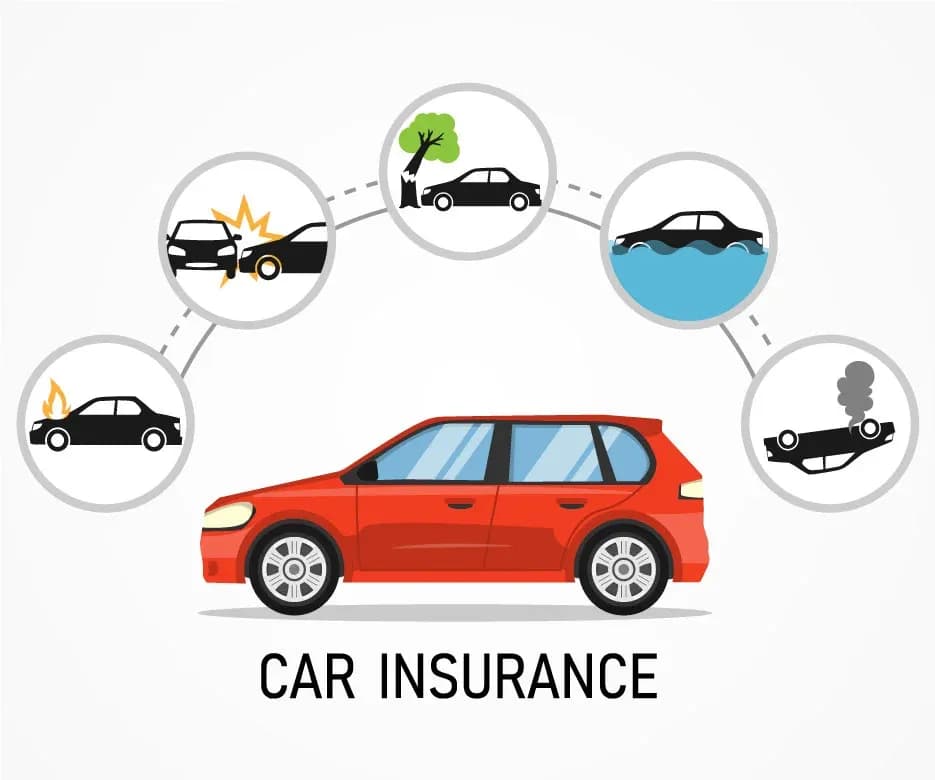
A comprehensive car insurance policy , on the other hand, includes Own Damage coverage. Under this section, accidental damage sustained by the insured vehicle during transit via road, rail, water, or air may be covered, subject to the specific terms, conditions, and exclusions stated in your policy document.
Important: Comprehensive car insurance does not cover transit damage as an unconditional blanket benefit. Specific exclusions may apply, including pre-existing damage, mechanical or electrical breakdown during transit, and damage arising from improper loading or packing. Always read your policy document carefully before transporting your vehicle.
Common Pitfalls of Transporting Your Car Without Proper Insurance
Here are the key mistakes that vehicle owners make when it comes to insurance during car transportation, and how to avoid each one.
Pitfall 1: Not Verifying Transit Coverage Before Transport
Many vehicle owners assume their comprehensive car insurance automatically covers all transit scenarios without checking the policy. The Own Damage section of a comprehensive plan may cover transit damage, but the extent of coverage varies by policy and insurer. Transporting your vehicle without confirming this in advance leaves you exposed to significant financial risk.
How to avoid it: Contact your insurer before booking a transporter. Ask specifically whether transit damage is covered under your policy and under what conditions. Request written confirmation if needed.
Pitfall 2: Trusting the Transporter's Insurance Without Verification
Some car transporters offer marine insurance or carrier's liability as part of their service. This may cover damage arising from the transporter's negligence. However, claiming against the transporter's insurance requires demonstrating their negligence, is subject to the transporter's contractual terms, and may involve a lengthy claims process. This coverage does not replace your own car insurance policy.
How to avoid it: Ask the transporter for a copy of their insurance policy. Check coverage limits and the claims process. Do not treat the transporter's insurance as a substitute for your own comprehensive car insurance coverage.
Pitfall 3: Skipping a Pre-Transport Vehicle Inspection
Handing over your vehicle without documenting its current condition is a serious error. Without photographic evidence and a signed condition report, you will have no proof if damage occurs during transit, making it difficult to file a claim or hold the transporter accountable.
How to avoid it: Photograph the vehicle thoroughly from all angles, including close-ups of any existing scratches, dents, or marks. Record a video walkthrough. Ensure both you and the transporter sign a condition report before the vehicle is loaded.
Pitfall 4: Leaving Valuables and Personal Belongings in the Vehicle
Personal belongings left inside a car during transport are generally not covered by either transit insurance or comprehensive car insurance. If your belongings are damaged or stolen during transit, you will not be able to claim for them under your vehicle insurance policy.
How to avoid it: Remove all valuables, electronics, documents, and personal items from the vehicle before handing it over for transport. Keep fuel at 10 to 15 per cent of tank capacity only, as excess fuel adds weight and poses a fire risk.
Pitfall 5: Choosing a Transporter Based on Price Alone
Selecting the cheapest transporter without verifying their credentials, insurance coverage, or track record is a common and potentially expensive mistake. A transporter who does not hold valid insurance or uses unsafe vehicles may not be able to compensate you adequately if your car is damaged in transit.
How to avoid it: Verify the transporter's GST registration, company registration, and customer reviews. Confirm whether they hold transit insurance or carrier liability cover. Ask for a written contract before transport begins.
Pitfall 6: Not Reading the Policy Wording
Car insurance policies contain specific conditions, exclusions, and claim procedures. Failing to read the policy document means you may be unaware of exclusions that affect transit coverage, claim submission time limits, or documentation requirements for a transit damage claim.
How to avoid it: Read the full policy wording before transporting your vehicle. Pay particular attention to the Own Damage section, exclusions list, and the claims procedure. If anything is unclear, contact your insurer for clarification before you proceed.
When Do You Need Separate Transit Insurance?
If your existing comprehensive car insurance policy does not explicitly cover transit damage, or if your coverage limits are insufficient for a long-distance transport, purchasing a separate transit insurance policy is advisable. This is particularly relevant if:
You are transporting a high-value or luxury vehicle
Your comprehensive plan has exclusions that affect transit damage coverage
You are transporting the vehicle via an international route or a high-risk corridor
The transporter does not hold adequate insurance of their own
In all other cases, verifying and confirming that your comprehensive car insurance covers transit damage is the most practical first step.
Practical Tips for Safe Car Transportation in India
Read your comprehensive car insurance policy document and confirm transit coverage before booking a transporter.
Photograph and video-document your vehicle thoroughly before handover and obtain a signed condition report.
Remove all personal belongings, documents, and valuables from the vehicle prior to transport.
Keep the fuel tank at 10 to 15 per cent only. Remove any accessories that could shift during transit.
Verify the transporter's credentials, GST registration, and insurance details before signing any agreement.
Get a written delivery timeline and tracking arrangement from the transporter.
Report any damage at delivery immediately, photograph it on the spot, and do not sign a clear delivery report if damage is visible.
Comprehensive Car Insurance from Zurich Kotak General Insurance
Zurich Kotak General Insurance Company (India) Limited offers comprehensive car insurance that covers your vehicle for own damage, including accidental damage sustained during transit, subject to policy terms and conditions. Key features include:
Coverage for accidental damage, theft, fire, and natural calamities
Transit damage coverage under the Own Damage section
Cashless repairs at over 4,600 network garages across India
24/7 claims assistance and customer support
A trusted claims settlement record and transparent processes
Whether you are transporting your car across cities or looking to secure comprehensive coverage before your next move, Zurich Kotak General Insurance provides reliable protection and peace of mind.
Conclusion
Transporting your car without verifying insurance coverage can expose you to significant financial losses if damage occurs during transit. While a comprehensive car insurance policy may provide coverage for accidental transit damage under the Own Damage section, the extent of protection depends on the policy's terms, conditions, and exclusions.
Before handing your vehicle over to a transporter, confirm your coverage with your insurer, document your car's condition, verify the transporter's credentials, and understand the claims process. Taking these simple precautions can help ensure a smoother, more secure vehicle transportation experience. If your existing coverage is insufficient, consider arranging separate transit insurance for added financial protection during the journey.
Get a Car Insurance Quote in 60 seconds
Frequently Asked Questions
1. Is My Car Covered During Transit Under a Comprehensive Car Insurance Policy?
A comprehensive car insurance policy may cover accidental damage sustained during transit under its Own Damage section. However, this is subject to the specific terms, conditions, and exclusions of your policy. Contact your insurer or review your policy document to confirm transit coverage before transport.
2. Do I Need Separate Transit Insurance If I Have Comprehensive Car Insurance?
If your comprehensive car insurance policy confirms transit coverage and the coverage limits are adequate for your vehicle's value, a separate transit insurance policy may not be necessary. However, if transit damage is excluded or limited in your current policy, purchasing separate transit insurance is advisable.
3. What Is the Difference Between Transit Insurance and Comprehensive Car Insurance?
Comprehensive car insurance provides broad coverage for your vehicle, including own damage, third-party liability, fire, theft, and natural calamities, including potential transit coverage. Transit insurance specifically covers a vehicle (as cargo) against defined risks during a single transport journey. Transit insurance is useful when comprehensive coverage does not extend to transit damage.
4. What Documents Do I Need to File a Transit Damage Claim?
Typically required documents include: the original policy document, a completed claim form, photographs of the damage taken at the time of discovery, the signed condition report from the transporter, transport receipts and booking confirmation, and a first information report (FIR) if theft or criminal damage is involved. Check your specific policy for the full documentation requirements.
5. Is Transit Damage Covered If the Transporter Causes the Damage?
If the transporter's negligence caused the damage, you may raise a claim against the transporter under their marine or carrier liability insurance. However, this requires demonstrating negligence and navigating the transporter's claims process. In parallel, you may also raise a claim under your own comprehensive car insurance policy, subject to its terms.
6. Are My Personal Belongings Covered During Car Transit?
Personal belongings left inside a vehicle during transport are generally not covered by either transit insurance or comprehensive car insurance. Remove all personal items, valuables, and documents from the vehicle before handing it over for transport.
7. What Should I Do If My Car Is Damaged on Delivery?
Do not sign a clear delivery report if damage is visible. Photograph the damage immediately at the delivery location. Notify your insurer and the transporter in writing as soon as possible. Retain all relevant documents, photographs, and receipts. File a claim with your insurer in accordance with the procedure outlined in your policy document.
8. How Do I Confirm That My Car Is Covered for Transit Before Transport?
Contact your insurer directly and request written confirmation of transit coverage under your existing comprehensive car insurance policy. Ask specifically whether Own Damage coverage applies to transit via road, rail, and other modes. Review the exclusions section of your policy document to identify any limitations.
Explore more on car insurance
Easy access to more, check out these quick links