
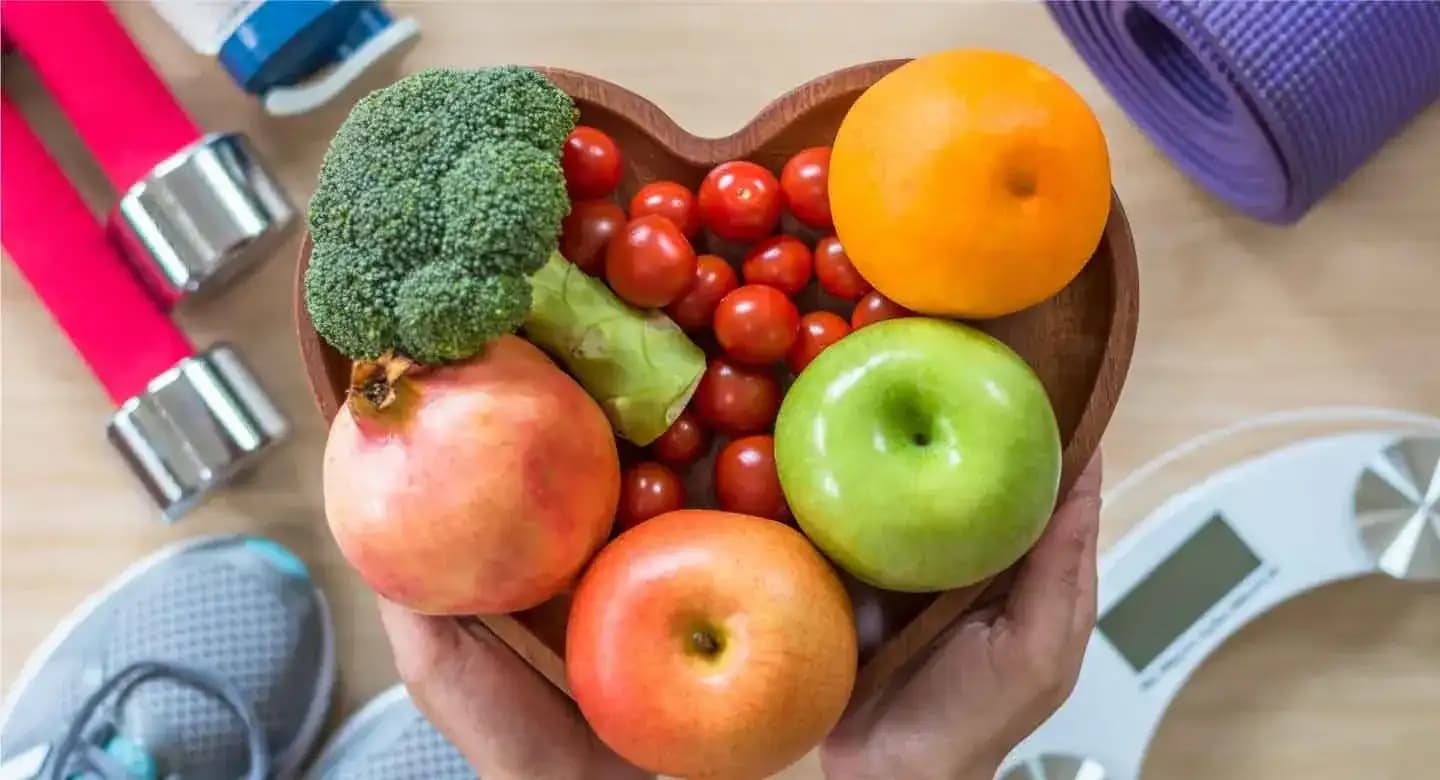
Vitamin B12 (cobalamin) is a critical water-soluble nutrient essential for red blood cell formation, neurological function, and DNA synthesis. It occurs almost exclusively in animal-based foods such as meat, fish, dairy, and eggs. This makes it a primary nutrient of concern for vegetarians and vegans. Vitamin B12 in fruits and vegetables is negligible, so individuals following plant‑based diets must rely on fortified foods and supplements to meet their vitamin B12 needs. Understanding B12 sources, the risks of deficiency, and the role of health insurance in managing treatment costs is vital for effective nutritional health.
What is vitamin B12, and why is it important?
Vitamin B12 is indispensable for several physiological functions. It facilitates the production of healthy red blood cells that transport oxygen throughout the body. Furthermore, it maintains the integrity of nerve cells and the protective myelin sheath surrounding them. Beyond neurological health, it is required for DNA synthesis, which is the process of cell growth and division. It also plays a key role in energy metabolism by helping convert food into usable fuel.
A deficiency in vitamin B12 can lead to serious health complications, including anaemia, chronic fatigue, nerve damage, memory impairment, and mood disturbances. Since the human body cannot synthesise B12 internally, it must be consistently obtained through diet or supplementation.
Key Functions of Vitamin B12
Vitamin B12 serves several vital roles that maintain both physical energy and cognitive clarity.
Supports red blood cell formation: Vitamin B12 is essential for producing healthy red blood cells. Insufficient levels can lead to anaemia, resulting in fatigue, physical weakness, and shortness of breath.
Maintains nervous system health: It aids in the formation of myelin, which is the protective coating for nerves. Adequate B12 prevents nerve damage and reduces the risk of neurological symptoms like numbness or tingling.
Aids in DNA synthesis: B12 is necessary for DNA production. This is crucial for cell repair and growth, especially during pregnancy and childhood.
Supports brain function: The vitamin supports cognitive health and mood regulation. Low levels are frequently linked to depression and cognitive decline.
Boosts energy levels: While B12 is not an energy source itself, it facilitates the metabolic processes that convert food into energy, thereby reducing fatigue.
Natural sources of vitamin B12: Animal vs plant-based foods
Vitamin B12 is naturally present in animal products because it is produced by specific bacteria within their digestive systems. Plants do not produce B12; consequently, raw fruits and vegetables contain virtually no natural B12.
Animal sources: Fish (such as salmon, tuna, and sardines), shellfish, red meat, poultry, eggs, milk, curd, and cheese remain the most reliable dietary sources.
Plant-based reality: Common produce like bananas, apples, spinach, and potatoes contain zero B12.
Alternative options: Fortified plant milks (soy, almond, or oat), fortified cereals, and nutritional yeast are the primary non-animal sources for vegetarians. While seaweed (nori) and spirulina contain trace amounts, their bioavailability is often unreliable.
Vitamin B12 content in fruits and vegetables: Quantitative overview
The table below shows the B12 content in common fruits, vegetables, and plant-based alternatives:
Food Type | Vitamin B12 (mcg per serving) | Notes |
Banana (1 medium) | 0.0 | No natural B12 |
Apple (1 medium) | 0.0 | No natural B12 |
Spinach (100g, raw) | 0.0 | No natural B12 |
Mushrooms (100g) | 0.0 to 0.1 | Trace amounts only |
Nori seaweed (10g) | 2.4 (Variable) | Contains some bioavailable B12, but is not reliable as a sole source |
Fortified plant milk (1 cup) | 1.2 to 3.0 | Fortified with synthetic B12. Check label for exact amount |
Fortified breakfast cereal | 0.6 to 6.0 | Fortified with synthetic B12. Amount varies by brand |
Nutritional yeast (2 tbsp) | 2.4 to 6.0 | Fortified. Popular vegan-friendly source |
Why do vegetarians and vegans need to monitor vitamin B12 intake?
As B12 is largely absent from plant foods, vegetarians and vegans face a significantly higher risk of deficiency. While lacto-vegetarians may obtain some B12 from dairy, strict vegans must rely entirely on fortified products or supplements. Since the body can store B12 for years, a deficiency often develops silently until stores are depleted. At that point, symptoms like extreme weakness and memory issues can progress rapidly.
How is vitamin B12 absorbed, and what factors affect absorption?
Absorption is a complex, multi-step process requiring:
Stomach acid: This is necessary to release B12 from food proteins.
Intrinsic factor: A protein produced in the stomach that binds to B12 for absorption in the small intestine.
Healthy intestine: Conditions like Crohn’s or celiac disease can impair this process.
Age and medication: Older adults and those taking long-term antacids often have reduced absorption efficiency.
Symptoms and risks of vitamin B12 deficiency
Early recognition of symptoms is vital to prevent permanent damage:
Anaemia signs: Persistent fatigue, weakness, and pale or yellowish skin.
Neurological signs: Tingling or numbness in extremities, balance issues, and difficulty walking.
Cognitive signs: Confusion, irritability, or memory loss.
Physical signs: Glossitis (an inflamed, sore tongue) and mouth ulcers.
Recommended daily intake of vitamin B12
The recommended daily intake of Vitamin B12 varies significantly depending on age and life stage:
Age group | Recommended daily intake (mcg/day) |
Infants 0 to 6 months | 0.4 (adequate intake) |
Infants 7 to 12 months | 0.5 (adequate intake) |
Children 1 to 3 years | 0.9 |
Children 4 to 8 years | 1.2 |
Children 9 to 13 years | 1.8 |
Teens 14 to 18 years | 2.4 |
Adults 19+ years | 2.4 |
Pregnant women | 2.6 |
Breastfeeding women | 2.8 |
How to ensure adequate vitamin B12 intake from a vegetarian diet?
Maintaining healthy B12 levels on a plant-based diet requires a proactive and varied approach to nutrition.
Prioritise fortified foods: Regularly consume enriched plant milks, breakfast cereals, and nutritional yeast.
Incorporate dairy and eggs: If your diet allows, milk and eggs are effective natural sources.
Use supplements: A daily or weekly supplement is the most reliable method for strict vegans.
Regular testing: Annual blood tests can catch deficiencies early.
Gentle cooking: Avoid overcooking B12-rich foods, as high heat can degrade the vitamin.
Why are vegetarians at risk of B12 deficiency?
Vegetarians face unique challenges in maintaining Vitamin B12 levels due to several factors:
Limited natural dietary sources: Most plant-based foods naturally lack B12.
Gradual depletion of body stores: Body stores of B12 can take years to exhaust, often masking a developing deficiency.
Potential absorption challenges: Factors such as age or digestive issues can further reduce B12 uptake.
Susceptibility to anaemia: Without the proactive use of fortified foods, vegetarians are more susceptible to B12-deficiency anaemia.
Role of health insurance in managing vitamin B12 deficiency
Comprehensive health insurance, such as plans from Zurich Kotak General Insurance, can help manage costs related to:
Diagnostics: Coverage for prescribed B12 blood tests.
Consultations: Access to specialists like dietitians or haematologists.
Treatments: Coverage for medical interventions like B12 injections for severe cases.
Conclusion
Vitamin B12 is an essential nutrient that cannot be neglected. Since fruits and vegetables do not provide it naturally, vegetarians and vegans must be intentional about using fortified foods and supplements. By monitoring levels through regular testing and maintaining a balanced diet, you can prevent the long-term neurological and physical risks associated with deficiency.
FAQs
Q1. Which fruits are rich in vitamin B12?
Fruits naturally lack B12, but some fortified juices may provide small amounts.
Q2. Are there vegetables that provide vitamin B12 naturally?
Most vegetables contain no natural B12; only a few plant foods (like certain seaweeds and mushrooms) have detectable amounts.
Q3. Can vegetarians get enough vitamin B12 from fruits and vegetables alone?
No, vegetarians must use fortified foods and supplements to meet their B12 requirements.
Q4. What are the signs of vitamin B12 deficiency?
Common signs include fatigue, weakness, numbness, anaemia, memory problems, and persistent mood changes.
Q5. How much vitamin B12 do adults need daily?
Adults require 2.4 micrograms daily, with higher amounts needed during pregnancy and breastfeeding.
Q6. Can cooking destroy vitamin B12 in foods?
Yes, prolonged heating destroys B12, so gentle cooking is recommended for nutrient preservation.
Q7. Are vitamin B12 supplements safe?
Yes, B12 supplements are safe and show no toxicity even at high doses.
Q8. What are the best vegetarian sources of vitamin B12?
Top sources include dairy, eggs, fortified cereals, plant milks, and nutritional yeast products.
Q9. How can vegetarians improve their vitamin B12 levels naturally?
Improve levels by consuming dairy, fortified foods, and maintaining healthy gut flora for absorption.
Q10. Are fortified foods necessary for vegetarians to get enough B12?
Yes, fortified foods are essential for vegetarians to prevent long-term B12 deficiency and anaemia.
Q11. Can vitamin B12 supplements be taken safely by vegetarians?
Yes, B12 supplements are an effective and safe way to meet daily nutritional needs.
Q12. How much vitamin B12 is required daily for adults?
Adults need 2.4 micrograms daily to ensure healthy nerve function and blood production.
Q13. Can vegetarians rely solely on plant-based sources for B12?
No, natural plant sources lack active B12, making fortified foods or supplements strictly necessary.
Explore more on health insurance
Easy access to more, check out these quick links