
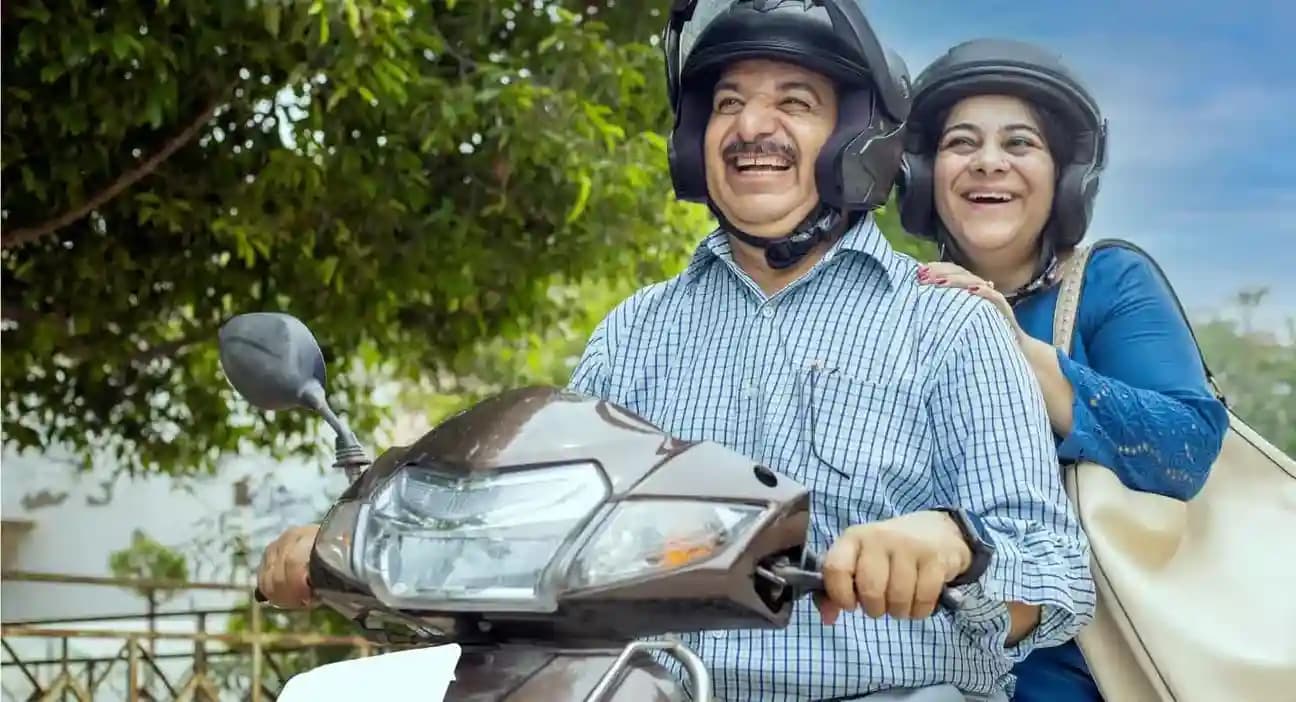
Getting on a scooter for the first time can feel both exciting and nerve-wracking. Whether you are picking up a new vehicle for daily commuting or looking for a more affordable way to travel, learning to ride a scooty is a skill that gives you real independence on the road.
This step-by-step guide walks you through everything you need to know, from understanding your vehicle's controls to following the traffic rules that keep you and others safe.
Why Learn to Ride a Scooty?
A scooter is one of the most practical vehicles for everyday use in India. It is easier to park, cheaper to run, and far more manoeuvrable in heavy traffic than a car. Here is why thousands of riders choose a scooty:
Affordable to buy, fuel, and maintain
Easy to navigate through congested streets and narrow lanes
A convenient option for short and medium-distance daily commutes
Available in geared and gearless variants to suit different rider preferences
Growing EV scooter options for those who want a greener choice
Before You Begin: What You Need
Before you take your scooter on a public road, make sure you have the following in place:
A valid Learner's Licence: Issued by the Regional Transport Office (RTO), this is legally required before you ride on any public road. Riding without a licence is a punishable offence under the Motor Vehicles Act.
An ISI-marked helmet: Wearing a BIS/ISI-certified helmet is mandatory by law, regardless of how short your journey is. A standard helmet without the ISI mark does not meet the legal requirement.
Scooter insurance: Third-party insurance is legally mandatory for all vehicles in India. Comprehensive scooter insurance also protects you against own damage, theft, and personal accident.
A roadworthy scooter: Check tyre pressure, brakes, lights, and fuel before your first ride.
Step-by-Step Guide: How to Ride a Scooty Safely
Step 1: Understand Your Scooter
Gearless scooters (also called automatic scooters) are the most common type in India and are the easiest to learn on. Before you start the engine, spend a few minutes familiarising yourself with these key controls:
Throttle: Located on the right handlebar. Twisting it forward accelerates the scooter.
Front brake lever: Right-hand side, controls the front wheel brake.
Rear brake lever: Left-hand side, controls the rear wheel brake.
Ignition: Insert the key and turn to start the engine. Many modern scooters also have an electric start button.
Indicators: Use the switch on the left handlebar to signal before turning.
Horn: Typically on the left handlebar.
Kill switch or engine off switch: Know where it is before you ride.
Step 2: Get Proper Training
Knowing how to ride a bicycle does not automatically mean you can handle a scooter. Two-wheelers with an engine require a different set of balance and control skills.
Find a flat, open, traffic-free space such as an empty parking lot or a quiet road early in the morning. Ask a trusted friend or family member to guide you during your first few sessions, or enrol in a professional riding school for structured coaching.
Do not rush this stage. A few hours of proper practice in a safe space is worth far more than jumping onto a busy road too soon.
Step 3: Start the Engine and Build Balance
Once you are comfortable with the controls, start the scooter and keep it stationary. Practice sitting upright with both feet flat on the ground. Feel the weight of the scooter and practise balancing without moving.
When ready, gently release the brake and let the scooter roll forward slowly. Apply the throttle gradually, not all at once. Focus on maintaining a straight line before attempting turns.
Step 4: Learn to Brake Smoothly
Braking correctly is one of the most important skills for a new rider. Always use both brakes together, applying pressure gradually rather than squeezing suddenly.
Sudden braking, especially at speed, can cause the scooter to skid. Practice controlled stops repeatedly in your practice space until they feel natural.
Step 5: Practice Turns and Low-Speed Manoeuvres
Once you are comfortable with straight-line riding and stopping, practise gentle left and right turns. Look in the direction you want to go, lean the scooter slightly, and apply smooth throttle through the turn.
Practise U-turns and slow-speed handling, as these are essential for urban riding conditions.
Step 6: Build Confidence Gradually
After your practice sessions, take your scooter for short rides near your home. Choose quieter roads and off-peak times with less traffic. Gradually increase the distance and complexity of your routes as your confidence grows.
Every rider feels some fear at the beginning. The key is to keep practising in a structured way rather than avoiding the scooter altogether. Remind yourself that millions of people ride scooters across India every day by following the rules and building their skills steadily.
Essential Safety Rules Every Scooty Rider Must Follow
Road safety is not optional. Here are the key rules that every rider must follow at all times:
Wear an ISI-marked helmet on every single ride, no matter the distance.
Cover your eyes with a visor or UV-protective riding goggles to protect against dust, debris, and sun glare.
Obey traffic signals and never jump a red light.
Do not enter a road marked with a no-entry sign.
Always signal before turning or changing lanes.
Do not overtake from the left or cut between vehicles unsafely.
Never use a mobile phone while riding. This is a punishable offence under the Motor Vehicles (Amendment) Act 2019.
Do not ride under the influence of alcohol or any substance. This carries heavy penalties and is a serious safety risk.
Observe posted speed limits at all times.
Park only in designated areas.
If riding on highways or expressways, wear additional protective gear such as riding gloves and a jacket.
Protect Your Ride with Scooter Insurance
No matter how skilled a rider you are, accidents can happen. A good scooter insurance policy makes sure that you are covered when the unexpected occurs.
Third-party scooter insurance is legally mandatory in India. It covers damage or injury caused to another person or their property in the event of an accident involving your scooter.
A comprehensive scooter insurance policy from Zurich Kotak goes further, offering cover for own damage, theft, natural calamities, and a personal accident cover for the owner-driver.
Getting your scooter insured before you ride is not just a legal requirement. It is one of the most responsible things you can do as a new rider.
Get Your Scooter Insurance Quote Today
Frequently Asked Questions
Q1: Do I need a driving licence to ride a scooty in India?
A: Yes. You must first obtain a Learner's Licence from your local RTO. After a mandatory waiting period, you can apply for a Permanent Driving Licence. Riding a scooter on a public road without a valid licence is a punishable offence under the Motor Vehicles Act.
Q2: Is scooter insurance mandatory in India?
A: Yes. Third-party scooter insurance is legally mandatory for all vehicles registered in India under the Motor Vehicles Act. Riding without valid insurance can result in fines and legal consequences.
Q3: What type of helmet is legally required for riding a scooty?
A: A helmet carrying the ISI mark (BIS certification) is legally required. Helmets without this mark do not meet the safety standard prescribed by law.
Q4: How long does it take to learn to ride a scooty?
A: Most beginners feel comfortable with basic riding within 3 to 7 days of regular practice in a safe, traffic-free environment. Building confidence on public roads typically takes a few more weeks of gradual, consistent riding.
Q5: Can I learn to ride a scooty without knowing how to ride a bicycle?
A: Yes. While some riders find cycling experience helpful for balance, it is not a requirement. Proper scooter training covers all the balance and control skills you need from the beginning.
RTO Office locations in India
Explore more on two wheeler insurance
Easy access to more, check out these quick links