
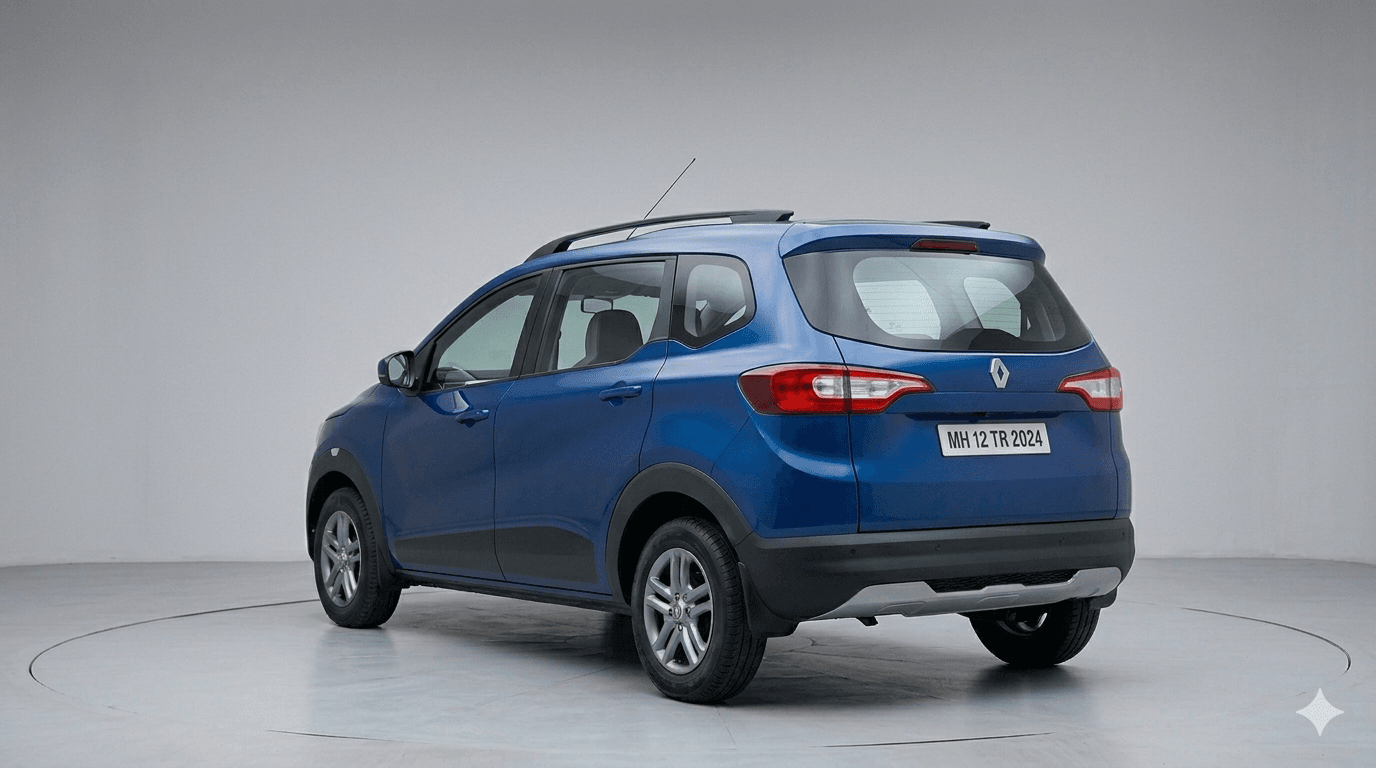
Rohit Sharma came back to a parking lot in Gurugram to find a scrape along the lower edge of his electric SUV and a note under the wiper. Minor damage, he assumed and rang the garage he had used for a decade.
They told him they could not take the car. Not because the damage was serious, but because the panel sits directly alongside the battery pack and their technicians are not certified for high-voltage work. That call was the first thing Rohit learned about EV claims that nobody had told him at the showroom.
The paperwork of an EV claim is the same as a petrol car claim. Intimate the insurer, document the damage, cooperate with the surveyor, get the repair approved.
Four things differ in practice. The car usually needs flatbed recovery rather than a conventional tow, it must go to a workshop certified for high-voltage systems, battery involvement typically requires a diagnostic report rather than a visual assessment and settlement often takes longer as a result.
Is the EV insurance claim process different from a petrol car?
The procedure is the same, but four practical steps differ: recovery method, workshop eligibility, battery assessment and settlement time.
Electric vehicles are eligible for the same cover as petrol and diesel cars and the claim framework is identical. What changes is how the vehicle is handled between the incident and the repair.
Table: EV claim versus petrol car claim, step by step
Claim stage | Petrol or diesel car | Electric car |
|---|---|---|
Intimation | Notify insurer, usually within 24 hours | Same and mention any battery or charging involvement |
Recovery | Conventional tow is usually acceptable | Flatbed recovery is generally required |
Workshop | Most network garages qualify | Needs high-voltage certified technicians |
Survey | Largely visual and mechanical | Adds battery, controller and high-voltage electronics |
Battery or engine assessment | Visual and mechanical inspection | Diagnostic report from the authorised workshop |
Typical settlement time | Standard | Often longer, from parts and specialist labour |
None of this makes an EV claim harder to win. It makes the first few decisions after an incident matter more than they would on a petrol car.
What should you do immediately after an EV accident?
Secure the scene, do not touch damaged high-voltage components, photograph everything before the car is moved and tell your insurer that the vehicle is electric.
The safety steps come before the insurance steps and they are specific to the powertrain.
Switch off and step away. Most modern EVs automatically isolate the high-voltage system in a collision, but treat the car as live until it is inspected.
Do not open or inspect the battery pack yourself. High-voltage cabling is identified in orange and assessment belongs to a trained technician.
Photograph before anything moves. The scene, all damage angles, number plates and any third-party vehicle , plus the underbody if it is safe to reach.
Note where the car is parked after recovery. Following a collision involving the battery, many insurers and manufacturers now expect the vehicle to be kept away from buildings until the pack has been inspected and cleared.
Say the word electric when you call. It changes which recovery vehicle is dispatched and which workshop the claim is routed to.
The last point saves the most trouble. An insurer told it is an electric car at intimation will usually arrange the correct recovery from the outset.
Why does an EV need flatbed towing?
Because in most electric cars the motor stays connected to the driven wheels even in neutral, so towing with those wheels turning can generate voltage back into a system that has been shut down.
Flatbed transport removes that risk, along with the risk of motor overspeed and damage to reduction gears from wheel rotation during towing.
The claim consequence is what matters here. Damage from improper towing often does not appear immediately and faults may surface days or weeks later. A fault that appears later, after a tow the insurer did not arrange, is harder to attribute to the original incident.
Ask one question when you call for recovery: is the tow vehicle a flatbed and is the operator briefed that this is an electric car? If your policy includes roadside assistance, confirm that flatbed recovery is part of it rather than assuming.
Does car insurance cover EV battery damage?
Accident damage to the battery is generally covered under a comprehensive policy . Water ingress, electrical surge and similar risks are typically where a battery protection add-on applies.
Standard motor insurance may not fully cover every EV-specific risk, which is why dedicated covers exist for battery and motor damage arising from accidents, short circuits and water ingress.
Two conditions shape the outcome of a battery claim.
Depreciation applies to replaced parts unless zero depreciation cover is in force and on an electric car the part in question can be the most valuable component in the vehicle.
Assessment is diagnostic rather than visual. A surveyor can see a dented pack enclosure, but battery health, insulation resistance and controller condition come from a diagnostic report generated at an authorised workshop.
If your car has been through standing water, do not restart it and do not drive it to the workshop. Comprehensive cover responds to accidental water damage and restarting a flooded vehicle can convert a covered event into an argument about consequential damage.
Can any garage repair an electric car?
No. Repairs involving or adjacent to the high-voltage system need technicians certified for it, which narrows the choice of workshop and can affect cashless availability.
Workshops need trained technicians, safety protocols and equipment to handle high-voltage systems and this is a genuine constraint rather than a formality.
That has one practical consequence worth checking before you need it. Cashless settlement works at network garages, so if the nearest EV-certified workshop is outside your insurer's network, the claim may run as reimbursement instead, with you paying first.
Table: What to confirm with your insurer before you have a claim
Question to ask | Why it matters |
|---|---|
Which network garages near me are EV-certified? | Determines whether cashless settlement is available |
Does roadside assistance include flatbed recovery? | Wrong recovery can complicate the claim |
Is a battery diagnostic report required for battery claims? | Tells you what the workshop must produce |
Does my policy cover the home charger? | Charging equipment usually sits outside standard cover |
Ask these at renewal rather than at the roadside.
What documents are needed for an EV insurance claim?
The same documents as any motor claim, plus a diagnostic report where the battery or high-voltage system is involved.
Completed claim form
Policy copy and vehicle registration certificate
Driving licence of the person driving
FIR, where required
Repair estimate from the authorised workshop
Photographs and video of the damage
Diagnostic report covering the battery, controller or high-voltage electronics, where relevant
An FIR is generally expected for major accidents, third-party injury, fire, theft and total loss. For minor damage with no third party involved, insurers often accept a self-declaration, though this varies, so confirm rather than assume.
Why do EV claims take longer to settle?
Three reasons: fewer certified workshops, longer parts lead times on high-voltage components and the extra diagnostic step before a battery repair is approved.
Claim assessment is more complex for electric vehicles and insurers need trained surveyors and accurate diagnostics for battery-related damage.
None of these are avoidable, but two are manageable. Getting the car to a certified workshop on the first attempt avoids a second move and providing the diagnostic report promptly removes the most common wait in a battery claim.
If your repair is likely to run long, ask whether your policy includes any transport or hire cover, since EV repairs can outlast the equivalent petrol repair.
What causes EV insurance claims to be rejected?
The usual reasons, plus two that are specific to electric cars: recovery by the wrong method and charging with equipment the manufacturer has not approved.
Charging with non-OEM equipment can trigger exclusions in battery cover, which owners rarely discover until they claim.
Table: Common EV claim mistakes and what they cost
Mistake | Consequence |
|---|---|
Delayed intimation | Insurer may argue the delay concealed or worsened the damage |
Conventional tow instead of flatbed | New faults appear later and become hard to attribute to the incident |
Repair at a non-certified garage | Work may not be approved and cashless settlement may not apply |
Restarting a water-damaged EV | Can turn a covered event into consequential damage |
Using a non-OEM charger | May trigger a named exclusion in battery cover |
Skipping the FIR where required | Disputes over major accident, theft or total-loss claims |
The first two are decisions made in the first hour, which is why the hour matters more on an electric car.
Conclusion
Rohit's claim settled without difficulty in the end. It took a fortnight rather than a week, because the certified workshop was across the city and the battery needed a diagnostic report before the panel work was approved.
What he changed afterwards took ten minutes. He saved the number of the nearest EV-certified network garage in his phone, confirmed that his roadside assistance covers flatbed recovery and stopped using the spare charger he had bought online.
Do the same three things before you need them. An EV claim is not harder than a petrol claim, but it rewards knowing two phone numbers and one policy detail in advance and it punishes improvising at the roadside.
Get a Quote: Customise a car insurance plan in 2 minutes
Frequently asked questions
Is the EV claim process harder than for a petrol car?
Not harder, but different in four practical ways: flatbed recovery is generally required, the workshop must be certified for high-voltage systems, battery involvement needs a diagnostic report and settlement often takes longer. The paperwork itself is the same.
Does comprehensive insurance cover EV battery damage?
Accident damage is generally covered. Water ingress, electrical surge and similar risks are typically addressed by a battery protection add-on. Without zero depreciation, depreciation is deducted on replaced parts, which matters more on an EV than a petrol car.
Can I take my electric car to my usual garage after an accident?
Only if it is certified for high-voltage work. Repairs involving or near the high-voltage system need trained technicians and specific equipment. Using a non-certified garage risks unapproved work and may remove cashless settlement.
Why can't an EV be towed normally?
In most electric cars the motor stays connected to the driven wheels even in neutral, so towing with those wheels turning can feed voltage back into a shut-down system and risk motor damage. Flatbed transport avoids it.
Does using a third-party charger affect my claim?
It can. Charging with equipment the manufacturer has not approved may trigger exclusions in battery cover. If you already use a third-party charger, raise it with your insurer and get the position in writing.
Explore more on car insurance
Easy access to more, check out these quick links