
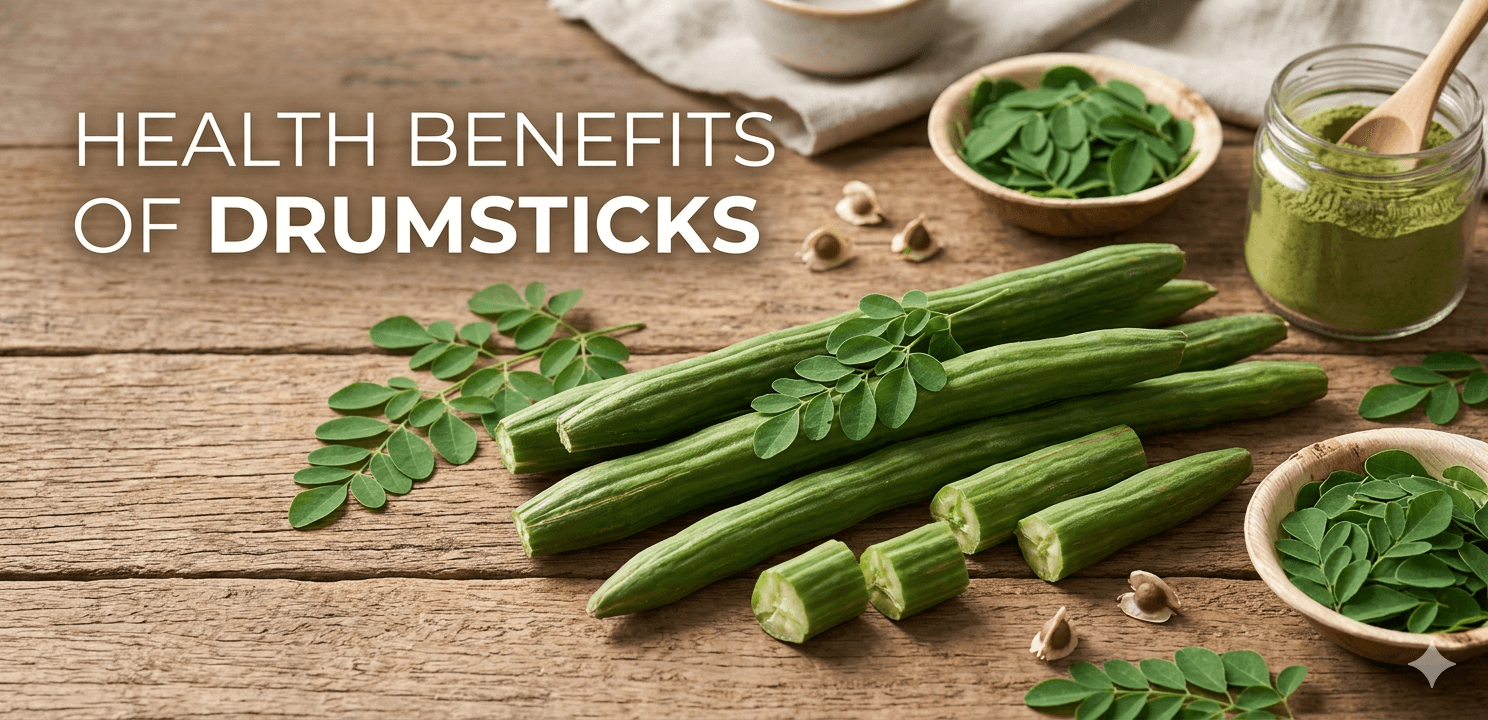
Drumsticks, scientifically known as Moringa oleifera, are among the most nutrient-dense vegetables used in Indian cooking and traditional medicine. These thriving tropical pods act as a potent superfood, loaded with vitamins A, C, B6, iron, and potassium. Regular consumption supports immunity, bone health, blood sugar regulation, and digestive function. Understanding the nutritional value of drumsticks and their role in preventive health is also relevant to health insurance, as a nutrient-rich diet can reduce the risk of chronic conditions that lead to costly medical treatments.
Nutritional profile of drumsticks
Drumsticks are an exceptional source of vitality, offering a diverse array of essential minerals and bioactive compounds in both their pods and leaves.
Nutrient | Amount per 100g (Pods) | Amount per 100g (Leaves) | Health benefit summary |
Energy | 37 kcal | 64 kcal | Low-calorie food supporting weight management |
Protein | 2.1 g | 9.4 g | Supports muscle repair and immune function |
Carbohydrates | 8.5 g | 8.3 g | Provides energy |
Dietary fibre | 3.2 g | 2.0 g | Aids digestion and bowel regularity |
Vitamin A | 74 µg | 378 µg | Essential for vision, skin, and immune health |
Vitamin C | 141 mg | 51.7 mg | Antioxidant; boosts immunity |
Vitamin E | - | 17 mg | Protects cells from oxidative damage |
Calcium | 30 mg | 185 mg | Supports bone strength |
Iron | 0.36 mg | 4.0 mg | Prevents anaemia; supports energy levels |
Potassium | 461 mg | 337 mg | Regulates blood pressure and heart function |
Magnesium | 45 mg | 147 mg | Supports muscle and nerve function |
Phosphorus | - | 112 mg | Important for bone and teeth health |
Zinc | - | 0.6 mg | Supports the immune system and wound healing |
Bioactive compounds | - | Quercetin, Isothiocyanates | Antioxidant and anti-inflammatory properties |
Health benefits of drumsticks
Incorporating this nutrient-dense vegetable into your diet offers a wide range of proven advantages for long-term physiological wellness.
Boosts immunity: High vitamin C and antioxidant levels protect cells from oxidative stress and enhance the body’s ability to fight infections.
Supports digestion: Rich dietary fibre promotes healthy bowel movements and nurtures a balanced gut microbiome.
Strengthens bones: A potent combination of calcium, phosphorus, and iron supports bone density and may lower the risk of osteoporosis.
Regulates blood sugar: Isothiocyanates in the leaves help improve insulin sensitivity, making them a valuable dietary tool for diabetes management.
Promotes heart health: To maximise the benefits of drumstick pods and leaves, their potassium content helps maintain healthy blood pressure and reduce cardiovascular risks.
Supports liver health: Polyphenols protect the liver from oxidative damage and toxins, supporting efficient detoxification.
Anti-inflammatory properties: Bioactive compounds like quercetin and phenolic acids help manage chronic inflammation associated with arthritis.
Rich in antioxidants: Drumsticks contain beta-carotene and chlorogenic acid to neutralise free radicals and prevent cellular damage.
Drumstick benefits during pregnancy and lactation
Drumsticks are a valuable dietary addition during pregnancy because they provide iron (which helps prevent anaemia), calcium (for foetal bone development), and folate (essential for neural tube formation). Many expectant mothers ask whether drumsticks are good for pregnancy; the answer is yes, particularly the leaves, which are traditionally used to support breast milk production. However, pregnant women should consume drumsticks only in cooked form and in moderate quantities, and should avoid drumstick roots and bark, which may have uterine-stimulating properties. Always consult a healthcare provider before making significant dietary changes during pregnancy.
Potential side effects and precautions
While generally safe for most people, certain precautions should be observed to avoid adverse reactions or interactions with existing medical treatments.
Digestive discomfort: Excessive consumption may cause bloating, gas, or loose stools, particularly when eaten in large quantities on an empty stomach.
Allergic reactions: Though rare, individuals should seek medical attention immediately if they experience itching, swelling, or difficulty breathing after consumption.
Drug interactions: Drumstick leaves may interact with medications for diabetes, blood pressure, and thyroid conditions; always consult a doctor if you are on such treatments.
Uterine stimulation: Pregnant women must strictly avoid roots and bark, as they contain compounds that may stimulate contractions, despite pods and leaves being safe.
How to include drumsticks in your diet?
Adding this plant to your meals is easy, whether you like the texture of the pods or the high nutrition of the leaves.
Sambar and rasam: Drumstick pods are a common part of South Indian cooking, where they are boiled in lentil stews to add flavour and minerals to the soup.
Drumstick leaf stir-fry: Cook the fresh leaves with garlic, onions, and mild spices for a quick, iron-rich side dish that goes well with rice or roti.
Soups and curries: Put chopped pods into vegetable soups or dal to increase the dietary fibre and vitamins in your daily food.
Drumstick leaf powder: Mix dried leaf powder into smoothies and juices, or sprinkle it over salads for a strong and healthy nutrient boost.
Drumstick nutrition summary table
Nutrient | Amount per 100g (Pods) | Key Benefit |
Calories | 37 kcal | Low-calorie vegetable suitable for weight management. |
Vitamin C | 141 mg | Boosts immunity and supports skin health. |
Calcium | 30 mg | Supports bone health and dental strength. |
Iron | 0.36 mg | Helps prevent anaemia and supports oxygen transport. |
Potassium | 461 mg | Regulates blood pressure and heart function. |
Dietary fibre | 3.2 g | Promotes digestion and healthy bowel movements. |
Protein | 2.0 g | Supports muscle repair and growth. |
How does nutrition impact your health insurance?
A diet rich in nutrient-dense foods like drumsticks supports overall health and may reduce the risk of chronic conditions such as diabetes, hypertension, and cardiovascular disease. Fewer health complications translate to fewer hospitalisations and lower medical expenses over time. Some health insurance providers offer wellness programmes that encourage healthy dietary habits, and maintaining good health metrics can lead to benefits like premium discounts or enhanced coverage at renewal. Zurich Kotak General Insurance offers health plans that support preventive wellness as part of their overall coverage.
Conclusion
Drumsticks are a versatile, nutrient-dense vegetable that offers a wide range of health benefits, from boosting immunity and supporting bone health to regulating blood sugar and promoting heart health. They are easy to incorporate into everyday Indian cooking and provide significant nutritional value at a low calorie cost. While generally safe, they should be consumed in moderation, and pregnant women should avoid the roots and bark. A diet that includes nutrient-rich foods like drumsticks supports long-term health and may contribute to lower healthcare costs, which is relevant for both personal wellness and health insurance planning.
FAQs
Q1: What are the main health benefits of drumsticks?
Drumsticks boost immunity, support digestion, strengthen bones, regulate blood sugar, and promote heart and liver health.
Q2: Is drumstick good for pregnancy?
Yes, cooked drumstick pods and leaves provide iron, calcium, and folate. Avoid roots and bark, and consume in moderation with medical advice.
Q3: Can drumsticks cause any side effects?
Excessive intake may cause digestive discomfort or allergic reactions. They may also interact with diabetes and blood pressure medications.
Q4: How often can I eat drumsticks?
Daily consumption in moderate amounts as part of a balanced diet is safe and beneficial for most people without specific contraindications.
Q5: Are drumsticks good for weight loss?
Yes, their low-calorie content and high dietary fibre promote satiety and support healthy weight management as part of a balanced diet.
Explore more on health insurance
Easy access to more, check out these quick links